Should You Choose Steel Shelves For Archiving Documents?
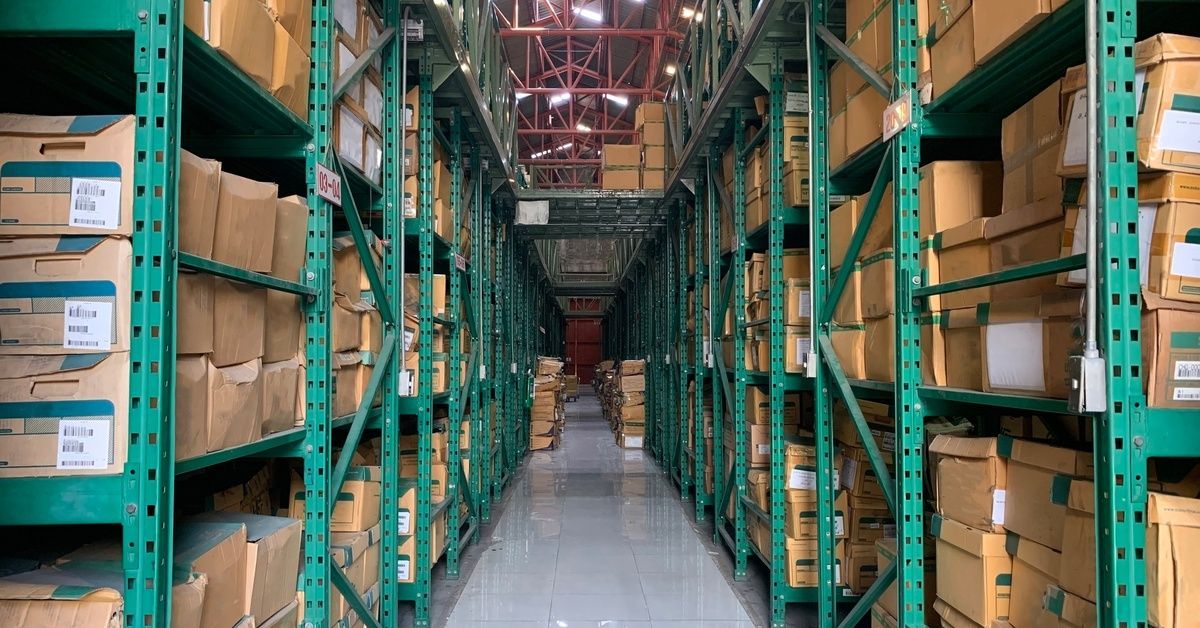
Businesses in Michigan rely on organized document storage to protect records and maintain compliance. Warehouses, manufacturing plants, schools, and offices all handle sensitive paperwork that requires secure archiving solutions.
Facility managers often compare shelving materials before investing in long-term storage systems. Steel shelves consistently stand out as a durable and practical option for archiving documents.
Choosing the right shelving impacts organization, safety, and accessibility. Many facilities underestimate how quickly paper records accumulate, and inadequate shelving exposes your files to various risks. So let’s dive into whether you should choose steel shelves for archiving your documents and the benefits of using this shelving system.
Why Material Matters in Document Archiving
Document archives demand more than basic storage racks. Paper carries significant weight, especially when stacked in banker boxes or file cartons. Wood and particleboard shelves often bow under sustained loads. Steel shelves maintain structural integrity even under continuous weight.
Environmental factors also influence shelving performance. Warehouses and distribution centers experience temperature fluctuations and humidity shifts. Steel resists warping and cracking better than alternative materials. This durability supports consistent document protection year after year.
Fire safety considerations further highlight the importance of material choice. Steel does not contribute fuel in the event of a fire. Facilities focused on risk reduction often prioritize non-combustible storage components. This advantage strengthens the case for steel in document archiving applications.
The Weight Capacity Advantage of Steel Shelves
Archived documents create concentrated loads across shelving units. A single box of paper can weigh 30 to 50 pounds, depending on the contents. Multiply that by dozens or hundreds of boxes, and weight capacity becomes critical. Steel shelving systems handle these loads without compromise.
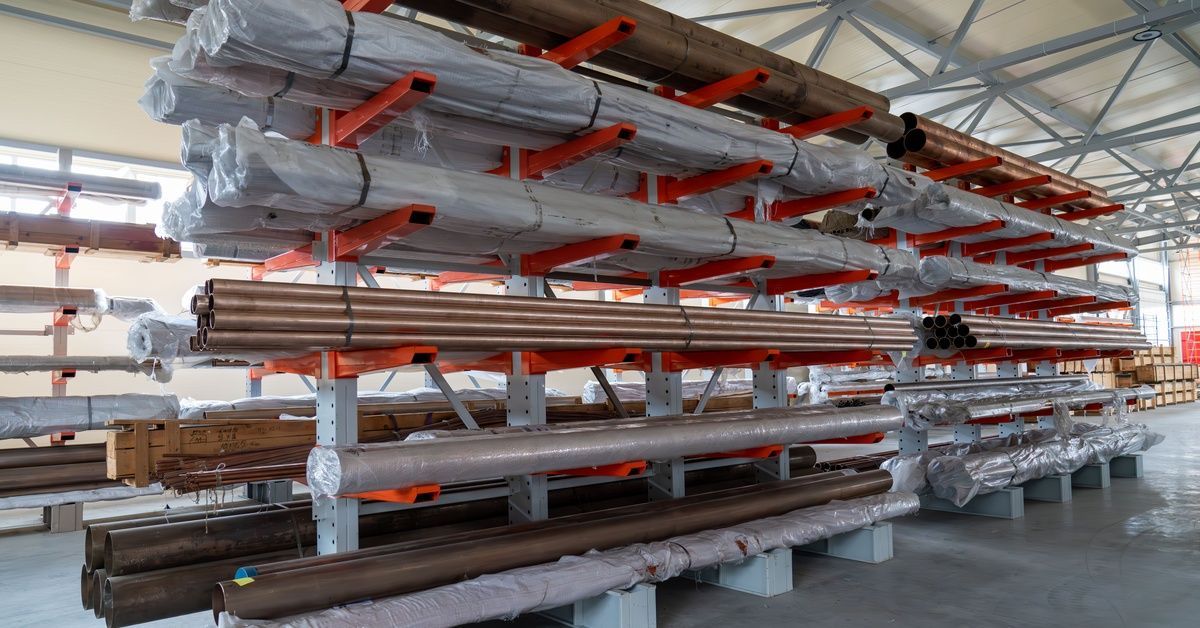
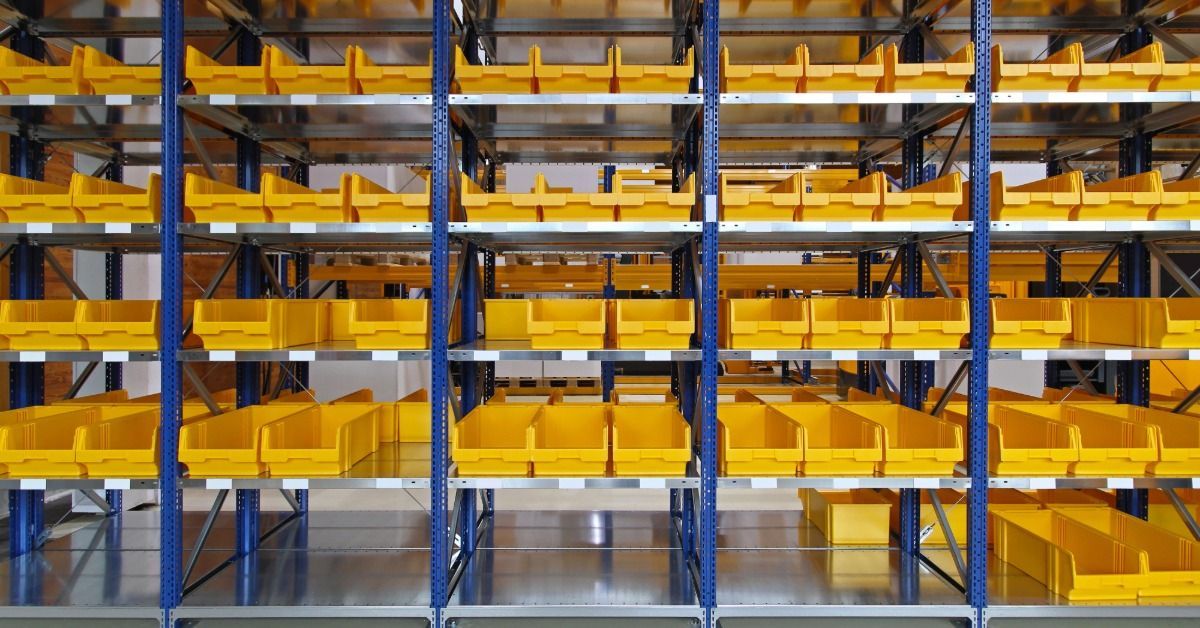
Industrial steel shelving distributes weight evenly across reinforced beams and uprights. Adjustable shelves allow facilities to optimize vertical spacing while maintaining strength. Teams can expand storage capacity without replacing entire systems. This scalability supports growing archives in active commercial environments.
Properly engineered steel systems also minimize shelf deflection. Reduced deflection protects boxes from tilting or sliding. Stable shelving improves both organization and employee safety. Businesses benefit from a storage solution that performs under pressure.
Durability in Commercial and Warehouse Environments
Commercial properties in Michigan often operate in demanding conditions. Manufacturing plants produce vibration, dust, and fluctuating temperatures. Warehouses manage high traffic and equipment movement daily. Steel shelves withstand these stresses without weakening over time.
Coated steel finishes resist corrosion and surface damage. Powder-coated options add an extra layer of protection against scratches and moisture. This finish keeps the shelving professional in appearance while maintaining functionality. Long-term durability reduces maintenance costs and operational disruptions.
Facilities that invest in strong shelving systems avoid frequent replacements. Replacement cycles create downtime and unnecessary expense. Steel shelves deliver consistent performance for years with minimal upkeep. That reliability makes them a smart investment for document archiving.
Organization and Accessibility Benefits
Archiving documents requires more than stacking boxes in a corner. Teams need organized systems that allow quick retrieval of important records. Steel shelving systems support labeled sections and structured layouts. Clear organization saves time and reduces frustration.
Adjustable shelving helps teams tailor configurations to document size. Facilities can store banker boxes, binders, and file cartons within the same system. This flexibility eliminates the need for multiple storage solutions. A unified shelving approach keeps archives clean and manageable.
Accessibility also supports compliance and audits. When inspectors request documentation, staff must respond quickly. Steel shelving systems allow direct access without navigating unstable stacks. Efficient retrieval protects productivity and professional reputation.
Compliance, Safety, and Inspection Considerations
Many industries must meet regulatory standards for document retention and safety. OSHA guidelines emphasize the use of stable storage systems that prevent tipping or collapse. Steel shelving units anchor securely and support consistent weight loads. Proper installation ensures stability across the entire system.
Fire codes often require attention to flue spacing in warehouse racking layouts. Experienced providers assist with proper spacing to maintain code compliance. This guidance protects both property and personnel. Compliance-focused shelving solutions reduce liability and risk.
Cost-Effectiveness Over the Long Term
Initial price comparisons sometimes favor cheaper shelving materials. However, long-term cost tells a different story. Steel shelves last significantly longer than wood or composite alternatives. Fewer replacements reduce total ownership costs over time.
Durability also minimizes repair expenses. Warped or broken shelves require immediate replacement to avoid safety hazards. Steel systems resist these failures under normal operating conditions. This reliability translates into predictable budgeting for facility managers.
Scalable designs further increase cost-effectiveness. Businesses can add sections as document archives expand. Modular configurations prevent complete system overhauls. Smart investment today supports operational growth tomorrow.
When Steel Shelves Make the Most Sense
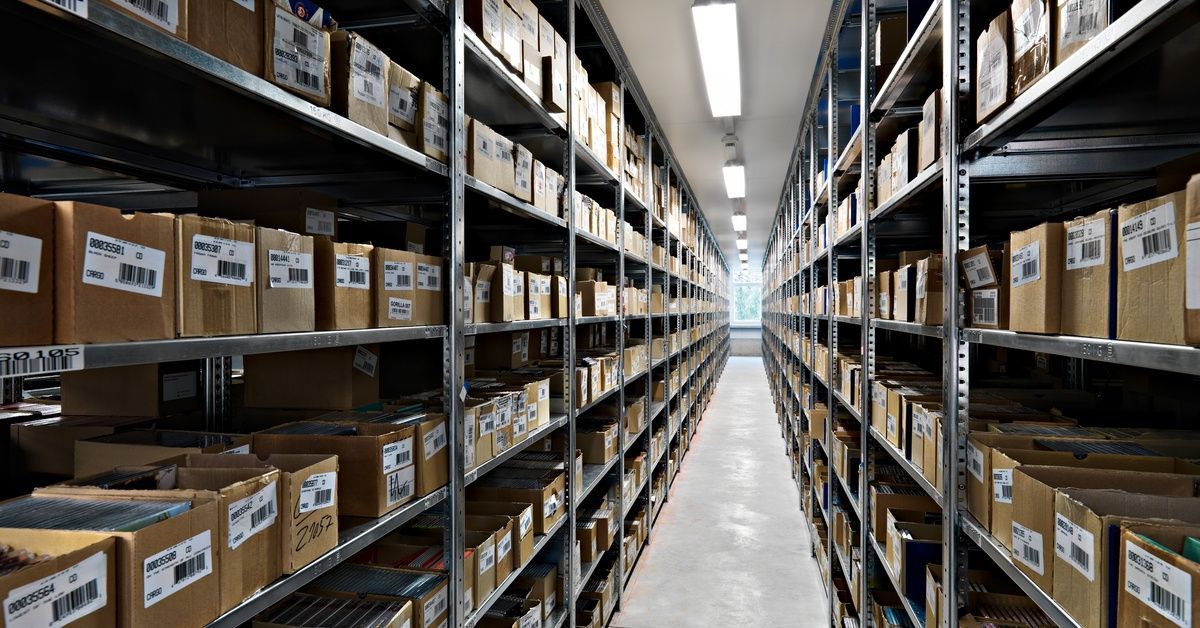
Steel shelving works especially well in high-volume document environments. Warehouses, distribution centers, and manufacturing plants often manage years of archived records. These facilities need solutions that handle weight, traffic, and environmental stress. Steel meets these demands with confidence.
Offices that maintain large compliance files also benefit from steel systems. Legal, financial, and healthcare facilities require secure and organized document storage. Strong shelving ensures records remain protected and accessible. Long-term retention plans align well with durable steel construction.
Key Advantages of Choosing Steel Shelves
Steel shelving offers several clear benefits for document archiving:
- High weight capacity for dense paper storage
- Long-term durability in commercial environments
- Resistance to warping, cracking, and sagging
- Adjustable configurations for flexible layouts
- Improved fire safety compared to wood shelving
- Lower total ownership cost over time
These advantages address the core concerns facility managers face. Strong shelving protects both documents and employees. Reliable systems also support compliance and operational efficiency. Steel consistently delivers practical value in demanding settings.
How Steel Shelves Compare to Alternative Materials
Wood shelving often appeals due to its lower upfront cost. However, wood absorbs moisture and warps over time. This warping compromises shelf stability and load distribution. Steel eliminates this vulnerability with rigid construction.
Plastic shelving offers lightweight convenience but lacks high load capacity. Heavy document boxes can cause plastic shelves to bend or crack. Steel shelves maintain strength even under concentrated loads. Businesses that prioritize safety and longevity often avoid plastic for archival use.
Composite materials provide moderate durability but rarely match steel’s performance. Long-term exposure to weight and environmental changes degrades many composites. Steel retains shape and structural integrity under similar conditions. This resilience makes steel the preferred option for serious document archiving.
Making the Right Decision for Your Facility
Choosing steel shelves for archiving documents depends on operational demands and long-term goals. If your facility has heavy storage needs, steel’s strength and durability benefit most.
Companies across Michigan continue to rely on dependable material handling solutions for organized storage. Steel shelving aligns with the needs of warehouses, manufacturing plants, schools, and commercial offices.
Strong systems protect important records while supporting daily efficiency. For organizations seeking a durable and scalable solution, steel shelves remain a smart and strategic choice.
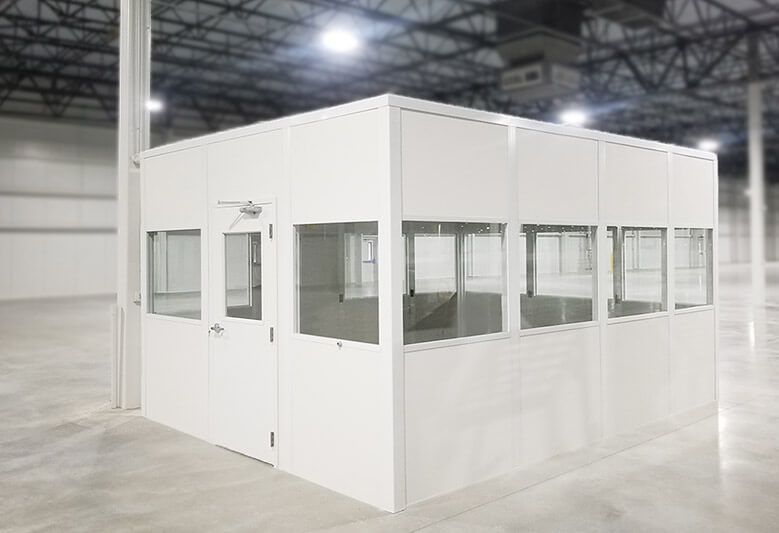
If your facility needs expert guidance on creating the best warehouse modular office, connect with Tyler Supply Company to explore tailored storage solutions designed for commercial environments.