The Benefits of Modular Offices for Manufacturing Facilities

Manufacturing facilities need office space, but traditional construction doesn't always match the pace or changing demands of an active plant. Managers need areas where they can handle daily business operations without moving far from the manufacturing floor.
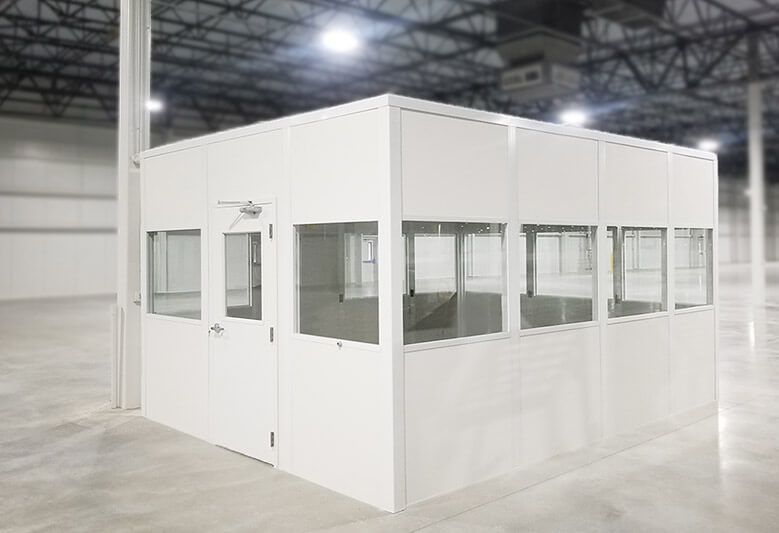
Modular offices provide a practical way to create dedicated workspaces within existing facilities. Manufacturers can add enclosed areas while considering production equipment, employee traffic, and material movement. Understanding the benefits of modular offices for manufacturing facilities can help companies use their available space more effectively.
Create Dedicated Workspace Near Manufacturing Operations
Supervisors and managers often need to remain close to production areas throughout the workday. Walking to a distant administrative office wastes valuable time and makes communication harder when employees need quick answers. A modular office creates dedicated workspace near important operational areas.
This proximity helps managers stay connected to daily manufacturing activities while providing a defined space for administrative work. Supervisors can work without regularly traveling across the facility. Employees also gain convenient access to management when questions or operational concerns arise.
Keeping administrative personnel close to production can support faster communication between departments. Managers can remain aware of changing conditions while still having an appropriate workspace for responsibilities that require concentration. The result is a practical balance between accessibility and separation from active production areas.
Adapt Office Space to Changing Facility Needs
Manufacturing facilities rarely remain unchanged for long. New equipment, growing teams, and changing inventory requirements can influence how a company uses its floor space. Permanent office construction may restrict future layout decisions because the facility must continue working around fixed walls and established rooms.
Modular office systems provide greater flexibility when operational requirements change. Companies can select configurations that fit specific areas rather than adapting a standard office layout to a complex manufacturing environment. Depending on the system and project requirements, manufacturers may also have opportunities to reconfigure the workspace later.
Reduce Disruption to Manufacturing Operations
Construction inside an active manufacturing facility can create logistical challenges. Extended projects may interfere with employee movement, equipment access, material flow, or everyday production activities. Manufacturers need office solutions that provide useful workspace without creating unnecessary complications throughout the facility.
Modular office components arrive ready for assembly, which can simplify the installation process compared with building a traditional room entirely on-site. This approach lets businesses focus on creating functional workspace while reducing conventional construction around active manufacturing operations.
Limiting disruption matters because manufacturing facilities depend on organized, predictable workflows. Employees need clear travel paths, while equipment and material handling activities require adequate operating space. Careful office planning helps manufacturers add enclosed workspace while maintaining the functionality of surrounding production areas.
Make Better Use of Available Floor Space
Every square foot serves an important purpose in a large manufacturing facility. Production equipment and workstations all compete for available room. Modular offices allow businesses to create administrative areas in locations that complement the broader facility layout.
Companies can evaluate underused or strategically located areas before deciding where an office should go. This approach can help manufacturers use existing square footage more intentionally rather than immediately considering a major facility expansion. A properly positioned office can provide needed workspace without consuming areas that support critical production functions.
Support Different Manufacturing Applications
Not all manufacturers need the same type of office space. One facility may need a supervisor station near a production line, while another requires a meeting room or administrative workspace. The versatility of in-plant modular offices helps companies match enclosed spaces with specific operational requirements.
Manufacturers can use modular office space for several purposes, including:
- Supervisor and management offices
- Production planning areas
- Administrative workstations
- Team meeting spaces
- Quality control areas
- Employee training rooms
- Secure records and document spaces
Identifying the intended purpose before selecting a system helps manufacturers make better layout decisions. These details help transform available floor space into a workspace that supports real operational responsibilities.
Create Separation From Busy Production Areas
Manufacturing floors often involve constant movement from employees, machinery, products, and material handling equipment. Administrative responsibilities can require more separation from this activity, particularly when employees need to complete focused tasks.
A modular office establishes a defined area where employees can handle their responsibilities without moving to a completely separate part of the facility. The enclosed workspace keeps important personnel near production while creating a clearer distinction between administrative and manufacturing activities.
Defined work areas can also contribute to a more organized facility layout. Employees can easily recognize which spaces support office activities and which areas serve production, storage, or material movement. Clear boundaries help businesses use their available space intentionally while maintaining convenient access between related functions.

Support More Efficient Daily Communication
Manufacturing operations depend on communication between supervisors, production employees, maintenance teams, warehouse personnel, and other departments. When managers work too far from production areas, simple conversations can require unnecessary travel or delays. Strategically located modular offices can keep important decision-makers closer to the employees and activities they oversee.
That accessibility can make everyday coordination easier. Employees have a nearby location for discussing schedules, production concerns, documentation, or changing priorities. Supervisors can also move between administrative responsibilities and floor activities without repeatedly crossing a large manufacturing facility.
An office near operations does not eliminate the need for organized communication practices, but it can support them. The workspace provides a consistent location where employees know they can reach supervisors or complete administrative tasks. That consistency can contribute to smoother coordination throughout a busy workday.
Choose a Modular Office With Operational Goals in Mind
The right modular office starts with a clear understanding of the facility's needs. Manufacturers should identify who will use the workspace, where those employees need to work, and how the office could affect surrounding production and material handling activities. Dimensions alone cannot determine whether a particular configuration will perform effectively.
Businesses should consider current operations alongside future plans before selecting an office system. Staffing changes and revised storage requirements can all influence how the facility uses its available space. Thinking beyond immediate needs can help companies choose a more practical long-term solution.
Modular Office Solutions From Tyler Supply Company
Modular offices offer manufacturing facilities a variety of benefits , including dedicated administrative areas while keeping key personnel connected to production. They can improve space utilization and support a range of workplace applications. Their flexibility also helps businesses plan office space around existing operations.
Tyler Supply Company provides material handling and storage solutions for manufacturing plants, warehouses, and other commercial facilities. Our team works with businesses to identify products that fit their facilities and operational needs.
A well-planned modular office can help manufacturers turn available square footage into practical workspace without losing sight of the surrounding production environment. Choosing the right location and configuration allows businesses to create office space that complements existing workflows and supports future facility needs. Contact Tyler Supply Company today to discuss modular office solutions for your manufacturing facility.