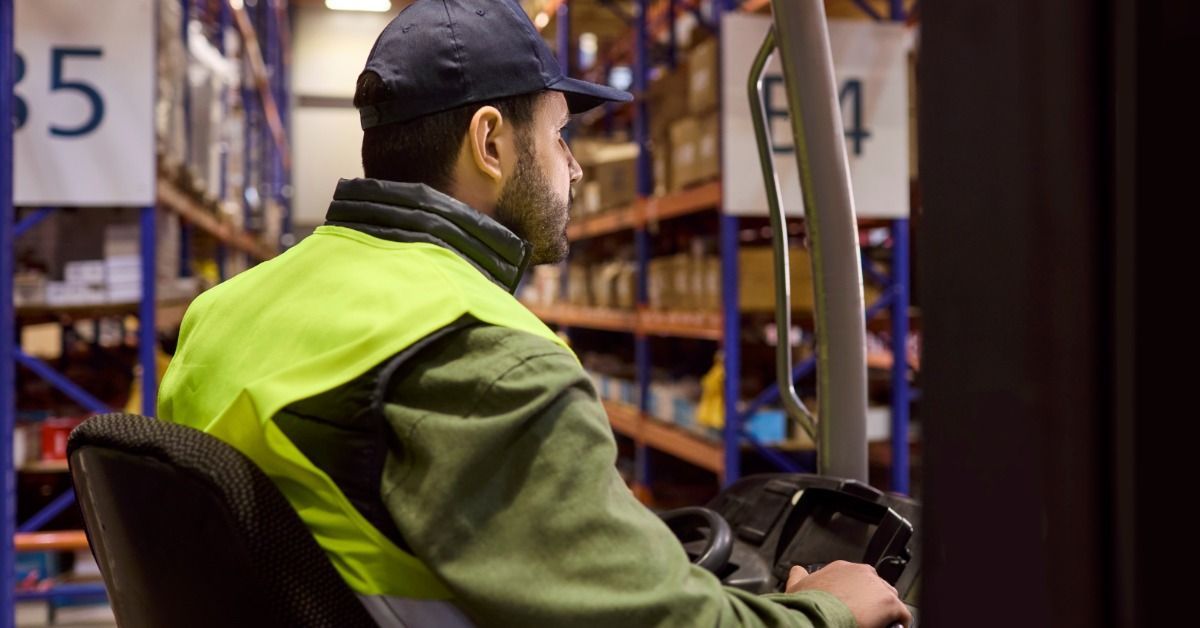
How Keyless Lockers Boost Security in Warehouses
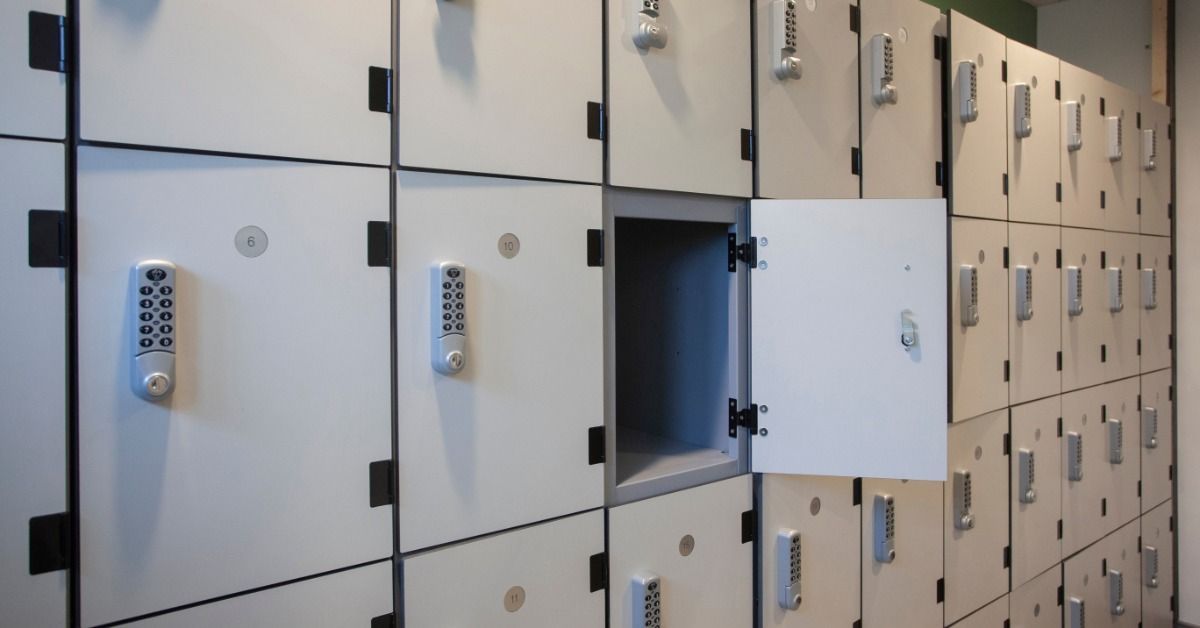
Warehouse security requires more than surveillance cameras and restricted access points. Even with this necessary security, employees still need a space to protect their personal items. Lockers with keys are the traditional method for storing belongings, but they often pose unnecessary risks due to lost keys and costly lock replacements.
Modern locking technology addresses many of the weaknesses associated with traditional keyed lockers while improving convenience and accountability. Understanding how keyless lockers boost security in warehouses can help businesses strengthen workplace protection, reduce administrative challenges, and support more efficient daily operations.
Why Warehouse Security Starts With Employee Storage
A secure warehouse depends on more than protecting inventory from external threats. Employee belongings, company-issued electronics, scanners, tablets, radios, and important documents also require reliable protection throughout the workday. Poor locker security can create opportunities for theft and unnecessary disruptions that affect productivity.
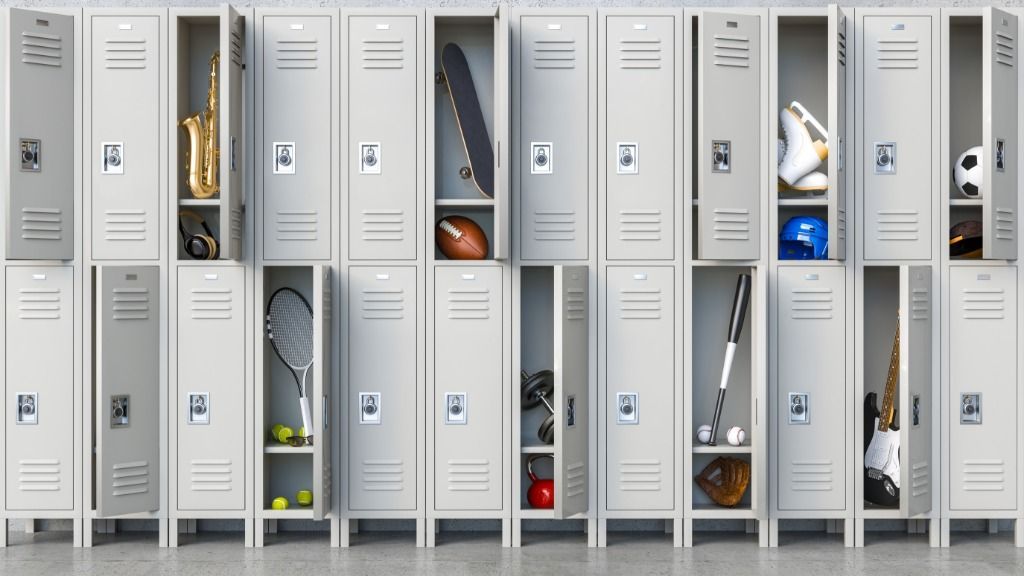
Keyless lockers strengthen workplace security by eliminating many vulnerabilities associated with traditional locking systems. Employees no longer carry physical keys that can be lost, broken, or fall into the wrong hands. Managers also gain greater control over locker assignments and user access, making security procedures easier to enforce across multiple shifts.
Eliminating the Risks of Lost and Stolen Keys
Physical keys have challenged warehouse managers for decades. Employees frequently lose them during busy shifts, and replacement keys add to costs and administrative work. Worse yet, stolen or duplicated keys can compromise locker security without anyone realizing it.
Keyless locking technology removes those concerns entirely. Employees access their assigned storage using PIN codes, RFID badges, smart cards, or electronic credentials, which administrators can quickly update as needed. If an employee leaves the company or changes departments, management simply removes access instead of replacing locks or issuing new hardware.
This streamlined process strengthens overall security while reducing maintenance costs. Warehouse supervisors spend less time managing keys and more time supporting daily operations.
Better Access Control Improves Accountability
Warehouse environments rely on accountability to maintain smooth operations. Every employee should have access only to designated storage while supervisors retain administrative oversight. Keyless lockers support this goal by offering customizable access permissions that align with each organization's security requirements.
Many electronic locker systems allow administrators to assign individual users, create temporary access credentials, and modify permissions within minutes. This flexibility proves especially valuable for facilities with rotating shifts, seasonal employees, contractors, or temporary workers. Managers maintain complete control without distributing dozens or even hundreds of physical keys.
Access control also reduces confusion during shift changes because every employee knows exactly which locker is theirs. Clear ownership minimizes disputes while supporting organized daily workflows.

Electronic Audit Trails Strengthen Warehouse Security
Many advanced keyless locker systems include activity tracking that records locker usage. These electronic audit trails provide valuable accountability by documenting when lockers open and which authorized users access them. Supervisors gain additional visibility without increasing manual oversight.
This information is especially useful when investigating missing equipment or verifying access to storage after security incidents. Instead of relying on assumptions, managers can review accurate access records that support internal investigations. Greater transparency discourages unauthorized behavior because employees understand that the system documents locker activity.
Digital tracking also complements broader warehouse security measures such as surveillance cameras and controlled building access. Together, these technologies create multiple layers of protection that help safeguard valuable assets.
Supporting Productivity During Busy Warehouse Operations
Security improvements should never slow warehouse operations. Fortunately, keyless lockers often improve efficiency by eliminating the delays associated with physical keys. Employees can quickly access their assigned storage without searching for keys or waiting for supervisors to unlock damaged lockers.
Warehouses with multiple shifts benefit even more because locker turnover happens quickly and efficiently. Managers can reassign lockers electronically without replacing locks or collecting keys from departing employees. This flexibility helps facilities respond faster to staffing changes throughout the year.
Additional productivity advantages include:
- Faster locker access during shift changes
- Reduced downtime from lost or damaged keys
- Simplified locker assignments for new employees
- Lower maintenance requirements for lock replacements
- Easier administration across multiple warehouse departments
These operational improvements allow warehouse teams to focus on fulfilling orders, managing inventory, and maintaining safe working conditions.
Flexible Security Options for Different Warehouse Needs
Every warehouse operates differently, so storage security should adapt to specific operational requirements. Modern keyless lockers offer several authentication methods to accommodate diverse workflows and employee preferences. Businesses can select systems that align with their existing security infrastructure while allowing room for future growth.
PIN-based systems provide straightforward access without requiring additional hardware. RFID badge readers integrate well with employee identification cards already used throughout many facilities. Some advanced solutions even support biometric verification for environments with elevated security requirements.
This flexibility allows warehouses to implement storage systems that match both current operations and long-term expansion plans. Rather than settling for a one-size-fits-all approach, businesses can customize security according to their workforce and facility layout.
Long-Term Value Beyond Improved Security
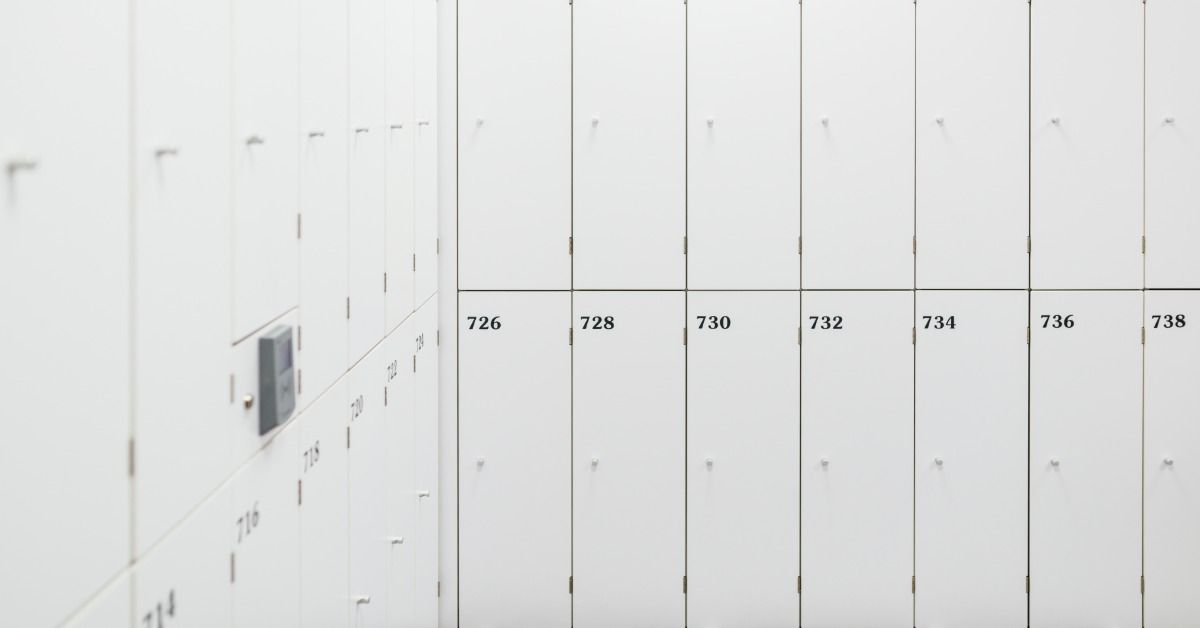
Although stronger security often motivates locker upgrades, keyless systems deliver additional long-term operational benefits. Traditional keyed locks require ongoing maintenance as keys wear out, locks become damaged, and replacements accumulate over time. Electronic access systems reduce many of these recurring expenses while providing more dependable daily performance.
Modern locker systems also support facility modernization initiatives. Many warehouses continue to invest in automation, inventory-tracking technology, and digital workforce management. Keyless lockers align naturally with these improvements by replacing outdated manual processes with smarter access management.
As organizations continue expanding, scalable locker systems simplify future growth. Additional lockers can integrate into existing management platforms without requiring entirely new security procedures or extensive administrative work.
Choosing the Right Keyless Locker System
Selecting the best locker solution requires evaluating several operational factors. Warehouse managers should consider workforce size and long-term security goals before making a purchasing decision. A well-designed system should improve both convenience and protection without introducing unnecessary complexity.
Durability also remains an essential consideration in demanding warehouse environments. Lockers must withstand daily use, temperature changes, and frequent employee traffic while maintaining reliable performance. High-quality industrial lockers combine rugged construction with dependable electronic locking systems that continue performing under heavy use.
Working with experienced material handling professionals helps businesses identify solutions that integrate seamlessly with existing warehouse layouts. Expert guidance ensures the selected system supports current operational needs while accommodating future expansion.
Upgrade Warehouse Security With Tyler Supply Company
Improving warehouse security begins with keyless lockers and storage solutions that protect employees and daily operations. Tyler Supply Company has supported businesses since 1953 by providing dependable material-handling equipment and storage solutions, backed by exceptional customer service and experienced professionals throughout Michigan and the Midwest.
Whether your facility needs secure keyless lockers or other material-handling equipment, we can recommend solutions that align with your operational goals. Contact Tyler Supply Company today to speak with an experienced team member and find the right storage and material handling equipment for your warehouse.