Ergonomic Workstations for Busy Auto Technicians
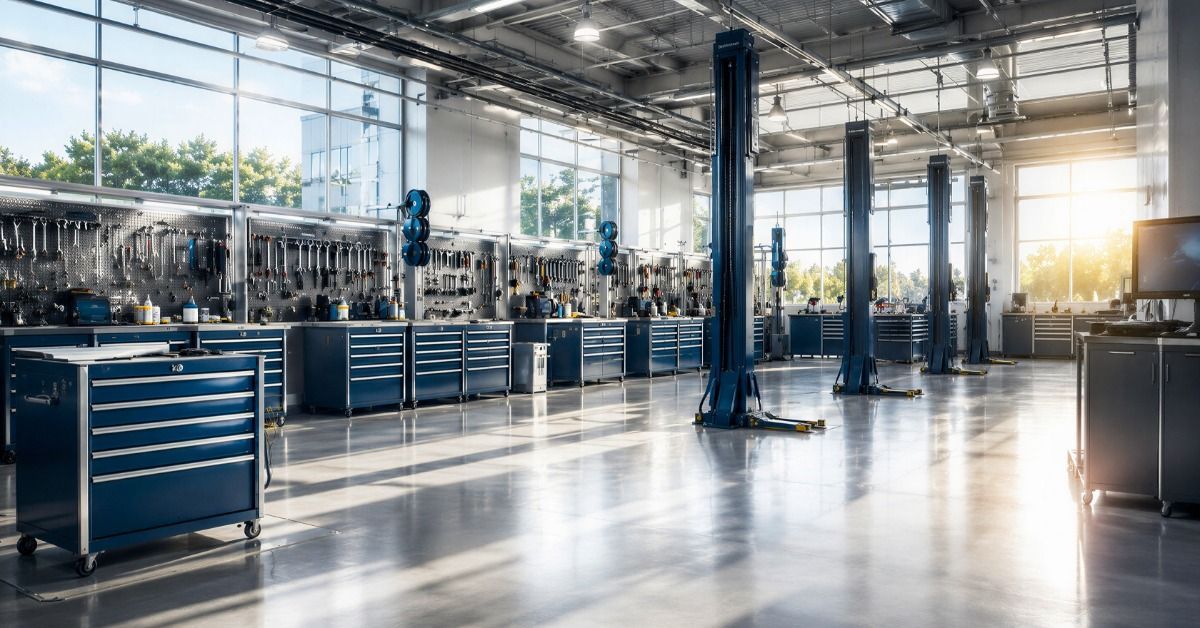
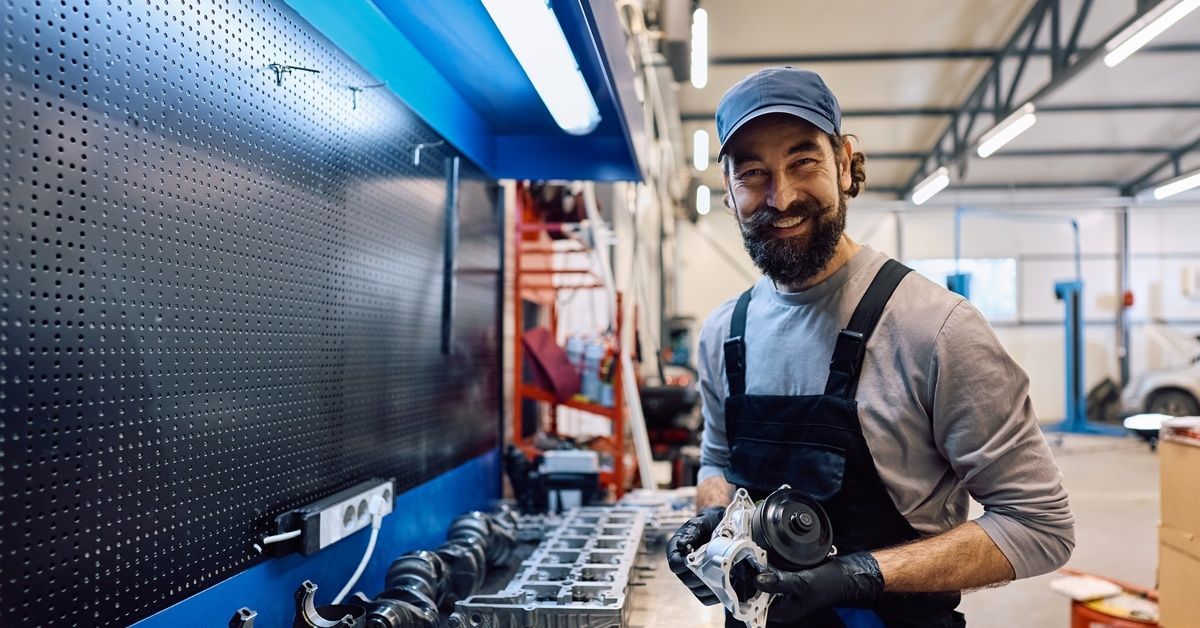
Auto technicians spend long shifts reaching for parts, bending over equipment, and completing precise repairs. When a workstation forces unnecessary movement, those small inefficiencies can add up throughout the workday. An ergonomic setup creates a more organized environment that supports technicians while keeping essential equipment within reach.
Ergonomic workstations for busy auto technicians focus on practical improvements rather than unnecessary complexity. The right layout supports comfortable working positions and makes tools easier to organize. For repair shops with demanding workloads, ergonomic workstations become a key part of daily productivity for busy auto technicians .
Why Ergonomics Matters in a Busy Auto Shop
Auto repair requires physical effort, concentration, and frequent movement between equipment. A poorly arranged workstation can force technicians to stretch across surfaces, bend repeatedly, or walk across the shop for commonly used items. Those movements can interrupt an otherwise efficient repair process.
Ergonomic workstation design places tools and supplies where technicians can access them with less unnecessary movement. Shops can arrange storage around the work technicians perform instead of forcing employees to adapt to an inconvenient layout. This approach supports a workspace that feels more practical during long, demanding shifts.
Keep Frequently Used Tools Within Easy Reach
Technicians often rely on the same groups of hand tools throughout multiple jobs. When those tools sit in distant cabinets or cluttered drawers, employees spend valuable time searching and moving around the service area. A well-planned workstation gives commonly used equipment a logical, accessible location.
Shops can position frequently used tools between comfortable standing and reaching heights whenever the work allows. Tool storage can keep supplies close without overcrowding the main work surface. Clear organization also helps technicians return equipment to consistent locations after each task.
This arrangement can provide several practical advantages:
- Reduces unnecessary reaching and walking
- Keeps essential tools close to the work area
- Creates dedicated locations for small parts
- Supports faster tool identification
- Helps maintain cleaner work surfaces
- Simplifies organization between repair jobs
Choose Work Surfaces That Support Daily Tasks
A workstation should provide enough surface area for the work technicians regularly complete. A cramped bench can quickly become covered with tools, components, paperwork, and diagnostic equipment. Too much unused surface area, however, can consume valuable floor space without improving the technician’s workflow.
Shops should consider the types of repairs that employees regularly handle before selecting a workbench. Automotive shop workbenches can support organized repair areas when their dimensions, storage features, and configurations match actual job requirements. Matching the bench to the work creates a more functional station without introducing unnecessary obstacles.
Durability also matters in an automotive environment. Technicians need work surfaces that can handle the demands associated with frequent daily use. Selecting equipment for the realities of the shop helps create a workstation that supports operations over time.
Organize Storage Around Technician Workflows
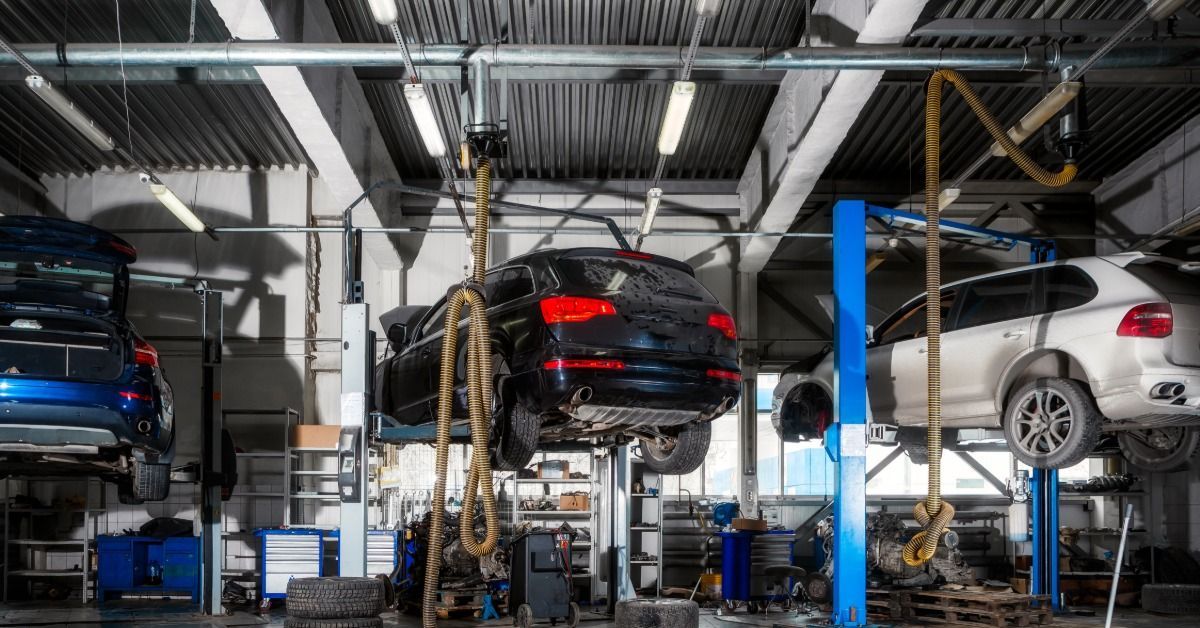
Effective ergonomic design extends beyond the height or size of a work surface. Storage placement can influence how often a technician bends, reaches, turns, or leaves the station during a repair. Shops should organize drawers, shelving, cabinets, and bins based on how often technicians need their contents.
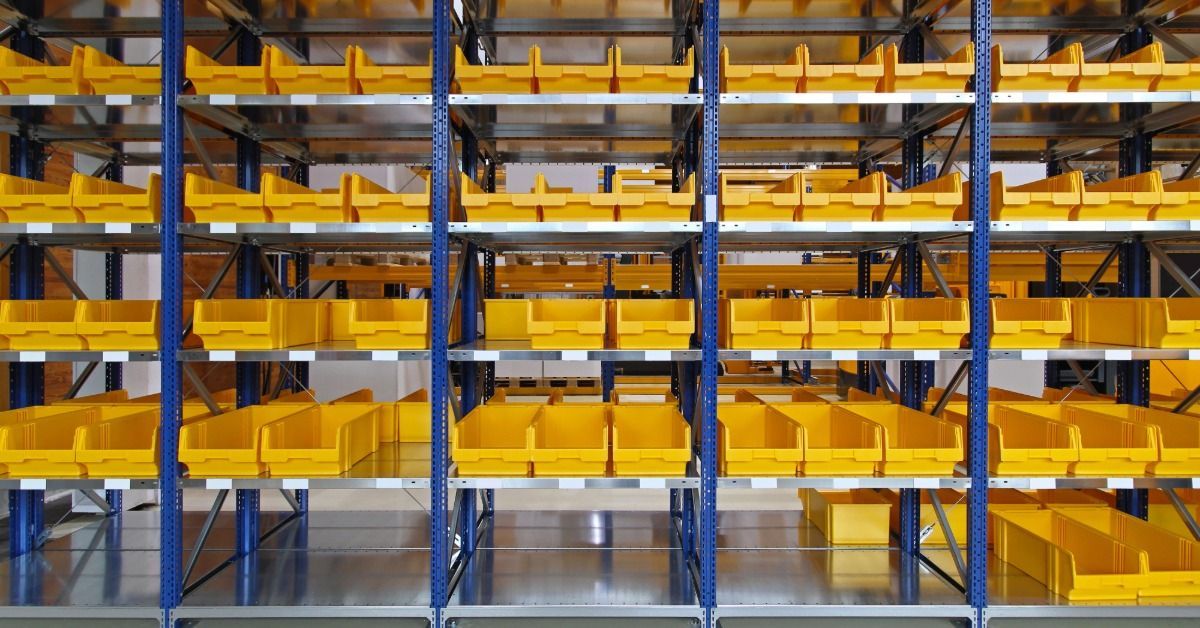
High-use tools should occupy the most convenient storage areas, while less frequently needed supplies can sit farther from the primary work zone. Small parts also benefit from dedicated compartments or bins that make them easier to identify. This system helps technicians maintain order without slowing down their normal workflow.
A logical storage plan can also make cleanup easier at the end of a repair. When every tool and component has a defined location, employees can reset their work areas more efficiently. The next job can then begin with an organized station rather than leftover clutter.
Improve Mobility Around the Service Area
Not every automotive task happens at a stationary bench. Technicians frequently move between vehicles, repair areas, parts storage, and diagnostic stations, so workstation planning should account for that movement. A flexible setup can help workers bring essential equipment closer to the job when appropriate.
Mobile storage and work surfaces can reduce repeated trips between a vehicle and a fixed tool area. Technicians can keep selected supplies nearby while completing a specific repair. This flexibility can prove especially useful in busy shops where several vehicles move through service bays during the day.
Shop managers should also keep pathways around workstations clear. Equipment that extends too far into walking or working areas can interfere with efficient movement. Thoughtful placement helps technicians move between tasks without constantly navigating around poorly positioned storage.
Reduce Clutter and Improve Workstation Organization
Clutter creates more than an appearance problem in an automotive shop. Unnecessary equipment can consume usable workspace and make essential items harder to locate. Technicians may lose time moving unrelated items before they can begin the next stage of a repair.
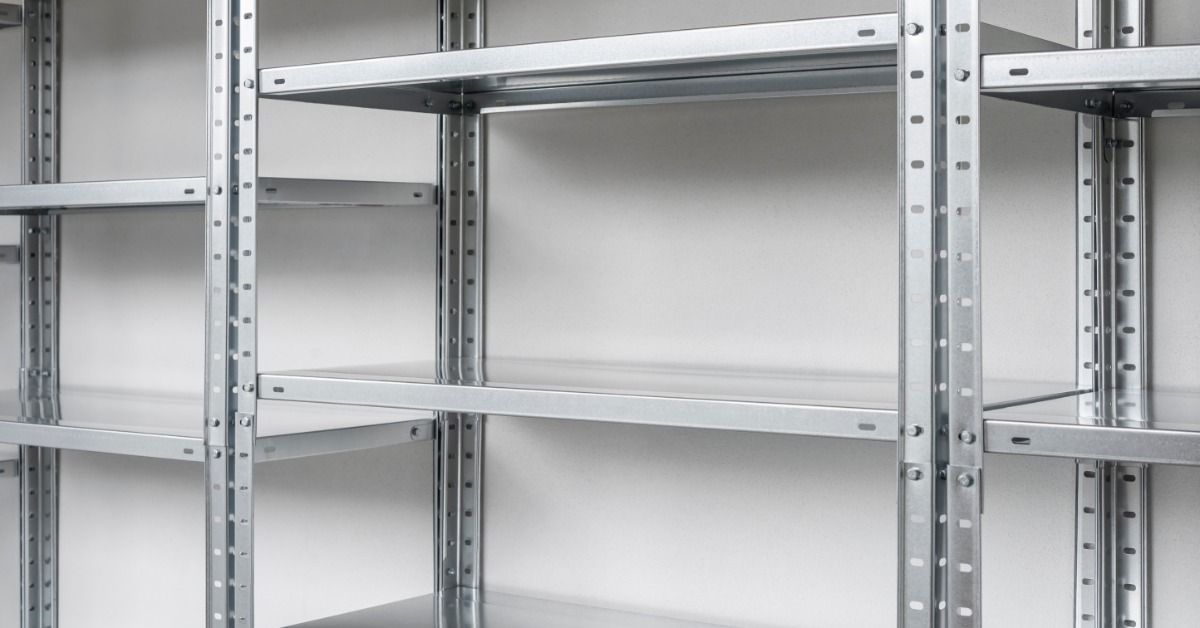
Storage systems give shops a practical way to separate equipment and materials by purpose. Drawers can hold hand tools, bins can organize smaller components, and shelving can provide space for larger supplies. Labels or other simple identification methods can make those storage areas even easier to navigate.
Consistent organization also helps technicians maintain their work areas during busy periods. Instead of creating temporary piles around a bench, employees have designated locations for the materials they use. That structure supports a cleaner, more efficient working environment throughout the day.
Adapt Workstations to Different Technicians and Tasks
Automotive shops rarely perform one type of repair all day. Technicians may move from diagnostic work to component repair, parts preparation, or other detailed tasks that require different tools and working positions. A workstation should support those changing demands as effectively as possible.
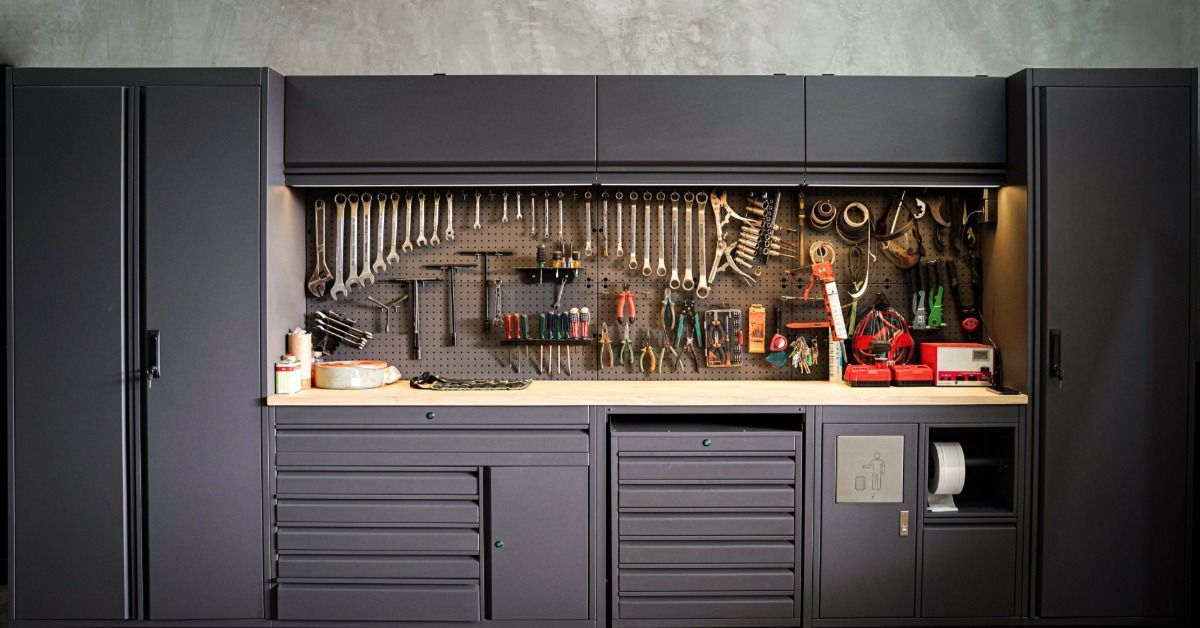
Flexible storage configurations can help shops adjust equipment placement as work requirements change. Adding or reorganizing shelves, drawers, cabinets, or accessory storage can create a setup that better matches specific tasks. Shops can also evaluate workstation layouts periodically as services, equipment, and staffing needs evolve.
Build a More Productive Repair Environment
Ergonomic improvements work best when shops consider the entire service environment, not just one piece of equipment. Workstations, storage systems, walking paths, tool locations, and nearby supplies all influence how efficiently technicians move through their responsibilities. Coordinating those elements creates a more cohesive workspace.
Managers can start by watching how technicians use existing stations during normal operations. Repeated reaching and difficult-to-access storage can reveal opportunities for improvement. Addressing those issues can make everyday tasks simpler without requiring major changes to the repair process.
A thoughtfully arranged shop also makes organization easier to maintain as workloads increase. Technicians can spend more of their time focused on repairs instead of searching for equipment or rearranging crowded work areas. The result is a workplace designed around the practical demands of automotive service.
Find Workstation and Storage Solutions With Tyler Supply Company
The right ergonomic workstation can help automotive workers create a more organized repair environment. Tyler Supply Company provides material handling and storage solutions for businesses, including workbench and storage options that can support demanding commercial environments. Our team can help customers evaluate products based on their space and storage requirements.
A productive shop starts with equipment that fits the way technicians actually work. Tyler Supply Company serves businesses in Michigan and throughout the Midwest with material handling solutions designed around practical operational needs. Contact Tyler Supply Company today to discuss workstation and storage options for your automotive facility.