How Mobile Workbenches Boost Repair Shop Productivity
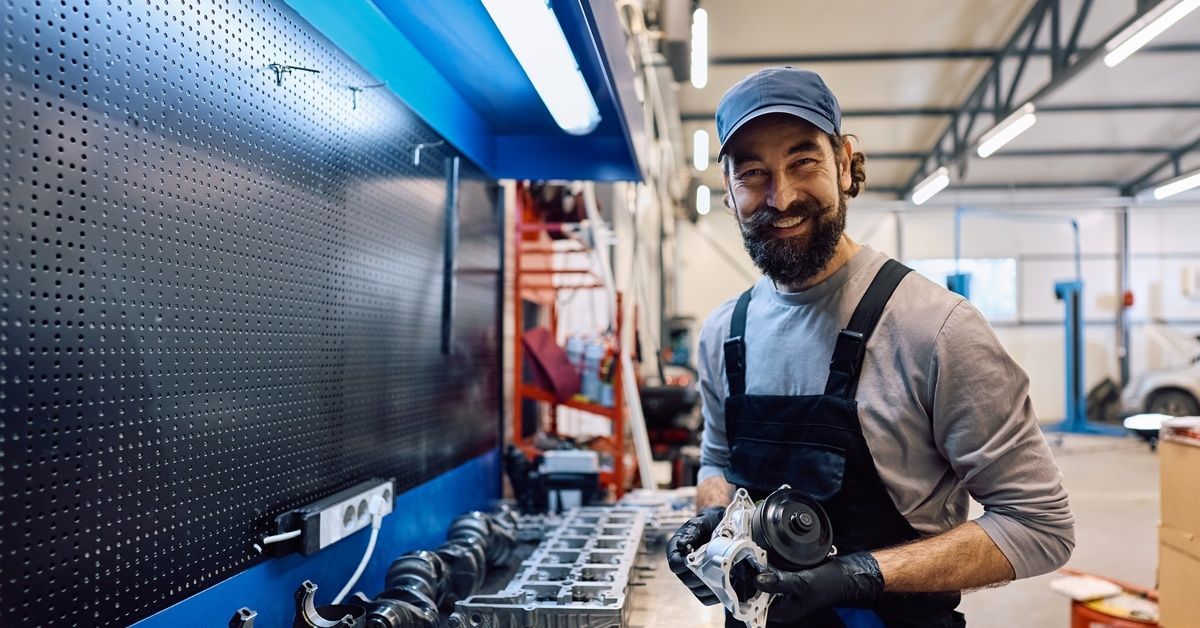
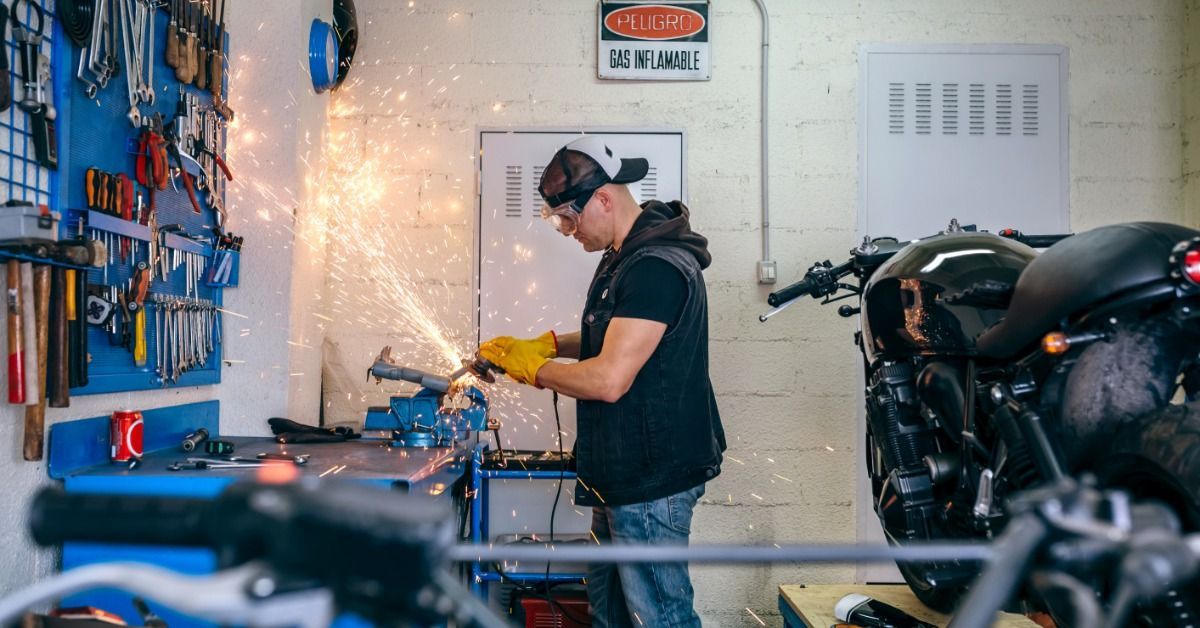
Automotive repair shops depend on speed and accuracy to stay profitable. Technicians handle demanding workloads while managing tools, parts, and equipment throughout the day, which is why organization is crucial to success.
Mobile workbenches boost repair shop productivity by bringing tools and supplies directly to the task at hand. Repair facilities across Michigan continue to invest in flexible workstation systems that reduce wasted movement and improve daily efficiency.
Faster Access to Tools and Equipment
Technicians lose valuable time when they walk across a shop to locate tools or supplies. Mobile workbenches eliminate unnecessary movement by keeping equipment within reach during repairs. Organized drawers, shelving, and integrated storage compartments enable technicians to complete tasks more quickly. Shops that reduce downtime between repair steps increase the number of completed jobs each day.
Repair facilities often manage multiple projects at once. A stationary workstation forces employees to return to the same location repeatedly throughout the day. Mobile units travel directly to the repair area and keep everything organized in one place. Faster access to tools supports smoother workflows and stronger productivity across the entire shop floor.
Improved Workflow Efficiency
Efficient repair shops rely on structured workflows that reduce delays and confusion. Mobile workbenches enable smoother movement through service bays because technicians can reposition their stations as workloads change. This flexibility helps teams complete inspections, diagnostics, and repairs without interruptions. Organized movement throughout the facility creates a cleaner and safer work environment.
Repair facilities often adjust layouts based on seasonal demand or changing equipment needs. Mobile systems allow managers to modify workflows without expensive renovations or permanent workstation changes.
Flexible storage systems also support future expansion as repair operations grow. Many businesses pair mobile benches with automated workstations in Michigan to improve efficiency across larger production and repair environments.
Better Organization for Parts and Supplies
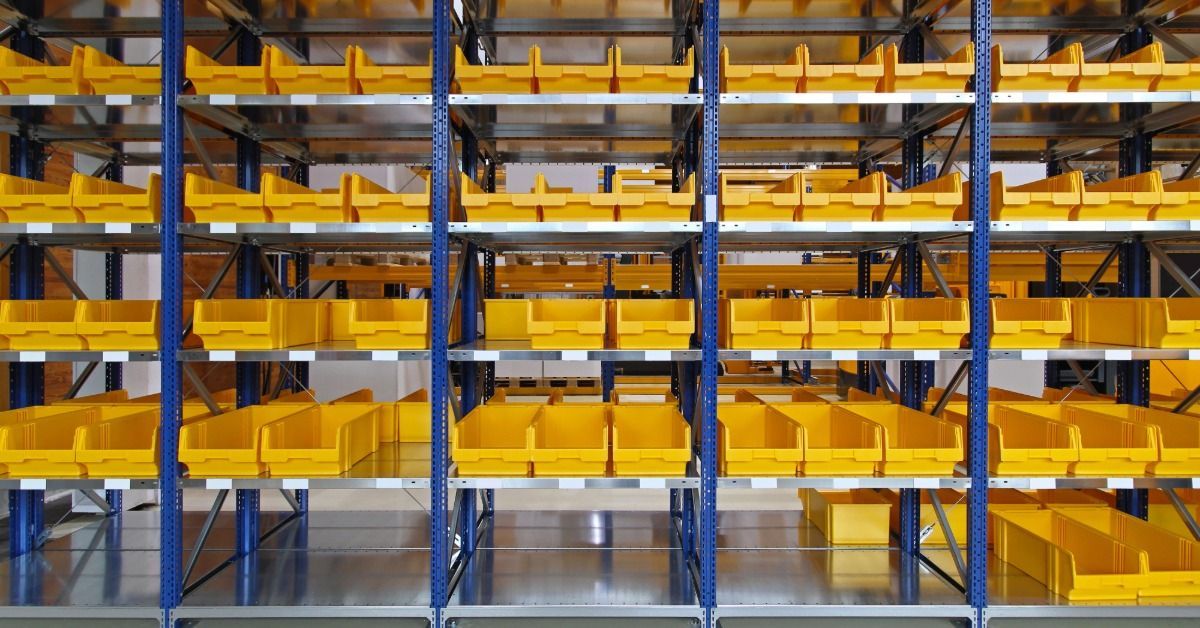
Clutter slows down repair work and increases the chance of misplaced tools or components. Mobile workbenches help technicians organize small parts, hand tools, and repair supplies in designated storage areas. Drawer dividers and shelving systems create a structured setup that supports faster repairs. Organized workstations also improve accountability because employees always know where the equipment belongs.
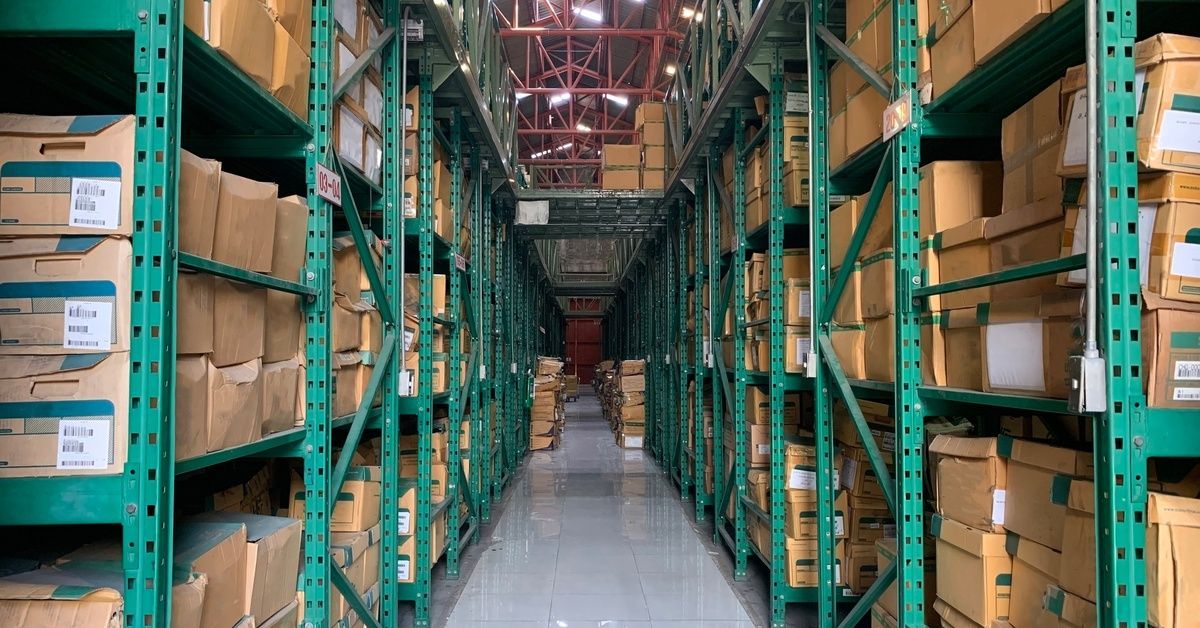
Repair facilities that manage multiple vehicle types often store a wide range of components. Mobile benches keep critical parts nearby without overcrowding permanent work areas. Shops maintain cleaner environments when employees return tools and supplies to organized storage spaces after each repair. Better organization reduces frustration while improving the quality of completed work.

Increased Productivity Across Service Bays
Every minute matters in a busy repair shop. Mobile workbenches reduce wasted travel time and allow technicians to focus on repairs instead of searching for equipment. Faster workflows lead to increased service capacity and higher customer satisfaction. Shops that improve operational efficiency often experience stronger revenue growth over time.
Mobile systems also support teamwork between technicians. Employees can move tools and supplies between service bays without disrupting nearby repairs. Shared access to organized equipment reduces bottlenecks during busy schedules. Flexible workstation setups help shops maintain productivity even during periods of high demand.
Enhanced Safety in Repair Facilities
Safety remains a major concern in automotive and industrial repair environments. Loose tools and scattered parts increase the risk of workplace injuries. Mobile workbenches create cleaner workspaces by providing secure storage for equipment and materials. Organized work areas reduce trip hazards while improving employee awareness throughout the facility.
Many mobile systems include locking drawers and durable surfaces designed for heavy-duty use. Technicians secure hazardous materials, sharp tools, and sensitive equipment when not in use. Stable workstation designs also prevent tipping or shifting during movement across shop floors. Safer work environments protect employees while helping businesses maintain operational consistency.
Flexibility for Different Repair Tasks
Repair shops handle a wide variety of projects that require different tools and equipment. Mobile workbenches adapt quickly to changing workloads because technicians can customize storage layouts based on specific repair needs. Some systems include adjustable shelving, power access, and integrated lighting to support specialized tasks. Flexible designs help shops improve efficiency across multiple service categories.
Shops that service heavy equipment or industrial machinery often require larger tool inventories. Mobile benches support these operations by providing durable storage solutions that can be easily moved throughout the facility. Teams complete repairs faster because they transport everything directly to the equipment being serviced. Flexible workstation systems also improve space utilization in crowded repair environments.
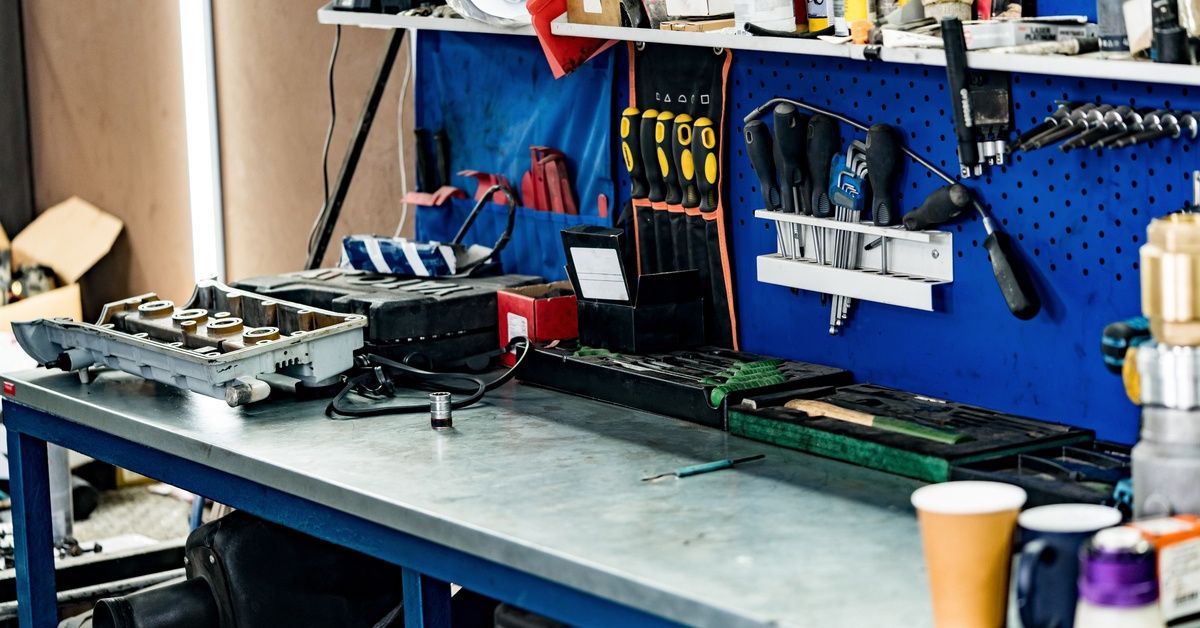
Key Features That Improve Productivity
Not all mobile workbenches provide the same level of performance. Repair facilities should focus on durable systems designed for industrial use and long-term reliability. High-quality mobile workstations improve efficiency while supporting daily wear and tear in demanding shop environments.
Important features include:
- Heavy-duty casters for smooth movement
- Locking drawers for secure storage
- Adjustable shelving for flexibility
- Durable steel construction for longevity
- Integrated power access for tools and diagnostics
- Ergonomic work surfaces for technician comfort
- Compact designs that maximize floor space
These features help repair facilities create organized and productive work environments. Businesses that invest in high-quality systems often reduce maintenance costs while improving employee performance.
Space Optimization in Busy Shops
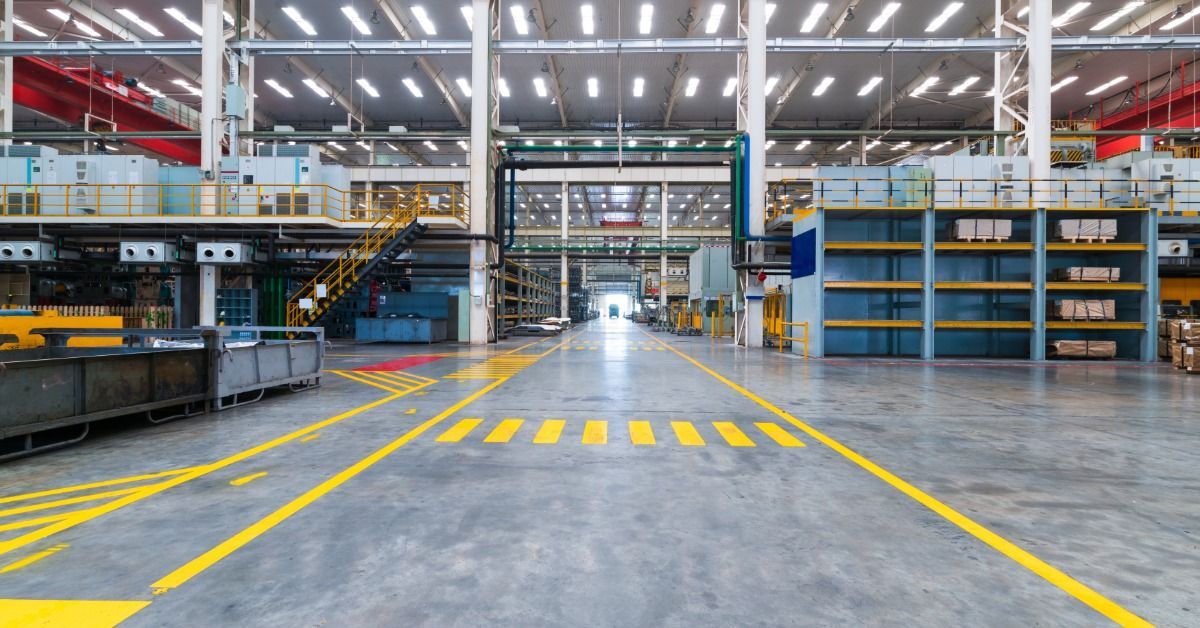
Floor space remains valuable in every repair facility. Large stationary workstations often create congestion, slowing movement throughout service areas. Mobile workbenches improve space efficiency because technicians reposition them as needed during repairs. Flexible storage systems help facilities maintain open walkways and cleaner layouts.
Shops with limited square footage benefit greatly from mobile workstation systems. Employees can store workbenches in designated areas when projects are complete. This flexibility creates additional room for vehicles, equipment, or inventory. Organized layouts support faster operations while improving the facility's overall appearance.
Long-Term Value for Repair Businesses
Mobile workbenches provide long-term productivity for repair shops of all sizes. Durable workstation systems support faster repairs and safer work environments. Businesses that improve productivity often increase customer retention because technicians complete jobs more efficiently. Flexible workstations also support future growth without requiring major facility modifications.
Tyler Supply Company helps repair shops throughout Michigan improve efficiency through dependable storage and material-handling solutions. Businesses rely on durable workstation systems to support demanding repair environments and growing operational needs.
Well-designed mobile workbenches help facilities maintain organization while maximizing productivity across every service bay. Companies that invest in reliable workstation solutions position themselves for stronger long-term performance and operational success.