Dock Leveler Safety Protocols for Heavy Freight
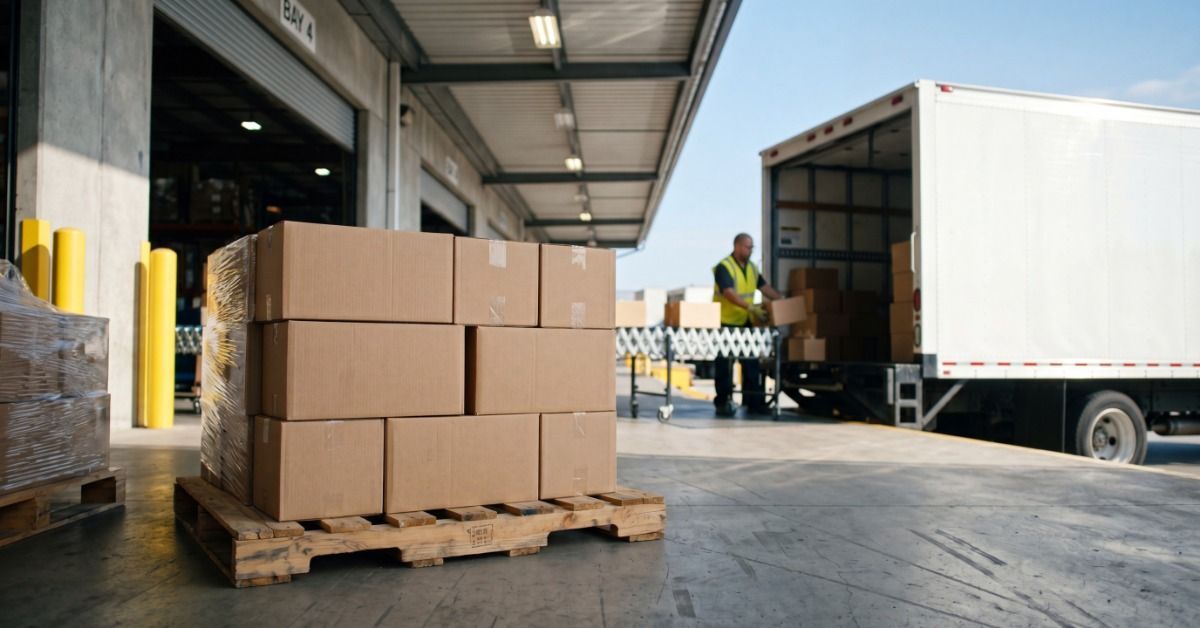
One mistake at a busy loading dock can damage freight, cause costly equipment repairs, or lead to serious workplace injuries. When forklifts transport heavy loads between trailers and warehouse floors, dock levelers provide the stability needed to keep materials moving safely.
However, without proper precautions, even routine loading and unloading tasks can create significant hazards for employees and surrounding equipment. Effective dock leveler safety protocols for heavy freight help warehouses and manufacturing facilities minimize risk while maintaining efficient daily operations.
From equipment inspections to safe forklift handling, consistent safety practices protect workers and support a more productive material handling environment.
Why Dock Leveler Safety Matters for Heavy Freight
Heavy freight puts extra stress on dock equipment because large loads create more impact during movement. A forklift carrying dense pallets can shift weight quickly, especially when the operator crosses from the building floor to the trailer bed. Dock levelers bridge that gap, but teams need to use them correctly every time.
Safety protocols reduce the risk of tip-overs, product damage, trailer creep, and worker injuries. They also help supervisors create predictable habits across shifts. When every employee follows the same process, the dock runs with fewer surprises and better control.
Inspect the Dock Leveler Before Each Shift
A daily inspection gives teams a clear look at equipment condition before heavy freight enters the dock area. Employees should check the platform, lip, hinges, controls, and surrounding floor for damage, debris, or unusual movement. A quick inspection can reveal issues that may create unsafe conditions once forklifts begin crossing.
Supervisors should encourage employees to report problems right away instead of working around them. Small issues can grow into costly repairs when heavy loads pass over weakened components. A consistent inspection routine helps protect the dock leveler and the people who rely on it.
Confirm Trailer Position and Restraints
A dock leveler cannot operate safely if the trailer is not in the correct position. Teams should confirm that the trailer lines up squarely with the dock opening before they begin loading or unloading. They should also confirm that the trailer bed height falls within the leveler’s working range.
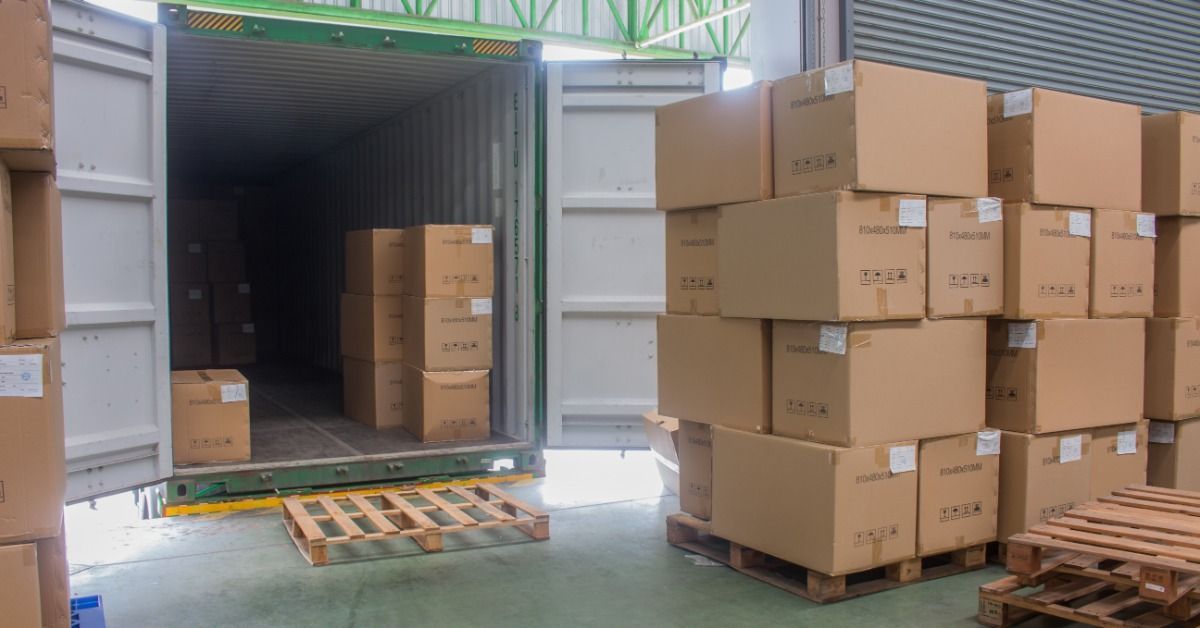
Trailer restraints, wheel chocks, or other securement methods help prevent unexpected trailer movement. This step matters because heavy forklift traffic can shift a trailer away from the dock. When employees secure the trailer before entering, they reduce the risk of dangerous gaps and sudden drops.
Match Capacity to Freight Weight
Every dock leveler has a rated capacity, and teams need to respect that limit. The total weight includes the forklift, operator, attachments, pallet, and freight. A load that seems manageable on paper can exceed safe limits once the full operating weight crosses the leveler.
Operators should also consider how frequent loading cycles and sudden movements add stress to the equipment. Understanding these factors helps facilities prevent structural damage and maintain safer freight handling conditions.
Facilities should post capacity information where employees can see it during dock work. Training should also explain how concentrated loads affect dock equipment. Heavy freight often puts intense pressure on a small area, so crews need to look beyond pallet weight alone. When freight requirements change, businesses should reassess equipment capacity before introducing heavier machinery or larger shipments into daily operations.
Train Forklift Operators on Dock Transitions
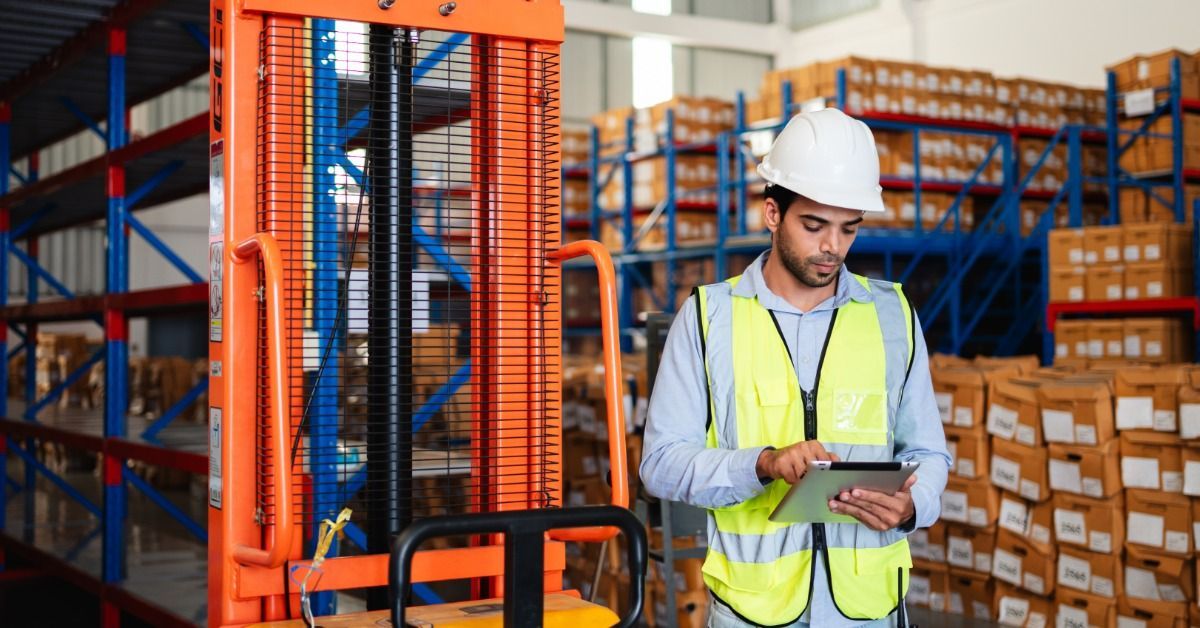
Forklift operators need specific training to use dock levelers because dock transitions require control and awareness. Operators should approach the leveler slowly and avoid sudden braking or sharp turns on the platform. These habits help maintain stability when carrying heavy freight.
Clear communication between dock workers and forklift operators also reduces confusion. Employees should know when they can enter a trailer, when a forklift will cross the leveler, and when loading work must stop. Strong signals help teams avoid rushed decisions that create unnecessary hazards.
Keep the Dock Area Clear and Organized
A cluttered dock creates hazards that can interrupt even the best safety plan. Loose packaging, broken pallets, spilled materials, and misplaced tools can block forklifts. Heavy freight already requires careful handling, so keep the work area clean and easy to navigate.
Teams can improve dock organization by focusing on simple habits:
- Remove broken pallets from traffic areas
- Sweep debris before loading begins
- Keep staging lanes clearly marked
- Store tools away from dock edges
- Report spills, cracks, or floor damage quickly
These steps support safer movement and help employees stay focused during busy shipping periods. A clean dock also makes it easier to spot equipment problems before they affect operations.
Maintain Dock Equipment on a Set Schedule
Preventive maintenance helps dock levelers perform consistently under heavy use. Technicians should inspect springs, hydraulic systems, welds, control panels, structural components, and safety features per the manufacturer's guidance. Facilities should also document service dates and repair history for each dock position.
Maintenance matters even when the dock leveler appears to work normally. Heavy freight can gradually wear down components, and employees may not notice performance changes right away. A planned maintenance schedule helps teams address wear before it causes downtime or safety concerns.
Build Safety Protocols Into the Facility Layout
A well-organized facility layout plays an important role in maintaining dock safety, especially when employees handle heavy freight throughout the day. Crowded loading areas and poorly positioned storage equipment can increase the risk of forklift collisions.
Facilities should establish designated traffic routes that separate pedestrians from moving equipment while allowing operators to transport materials efficiently. Clear floor markings and adequate maneuvering space also help employees navigate busy loading zones without unnecessary interruptions.
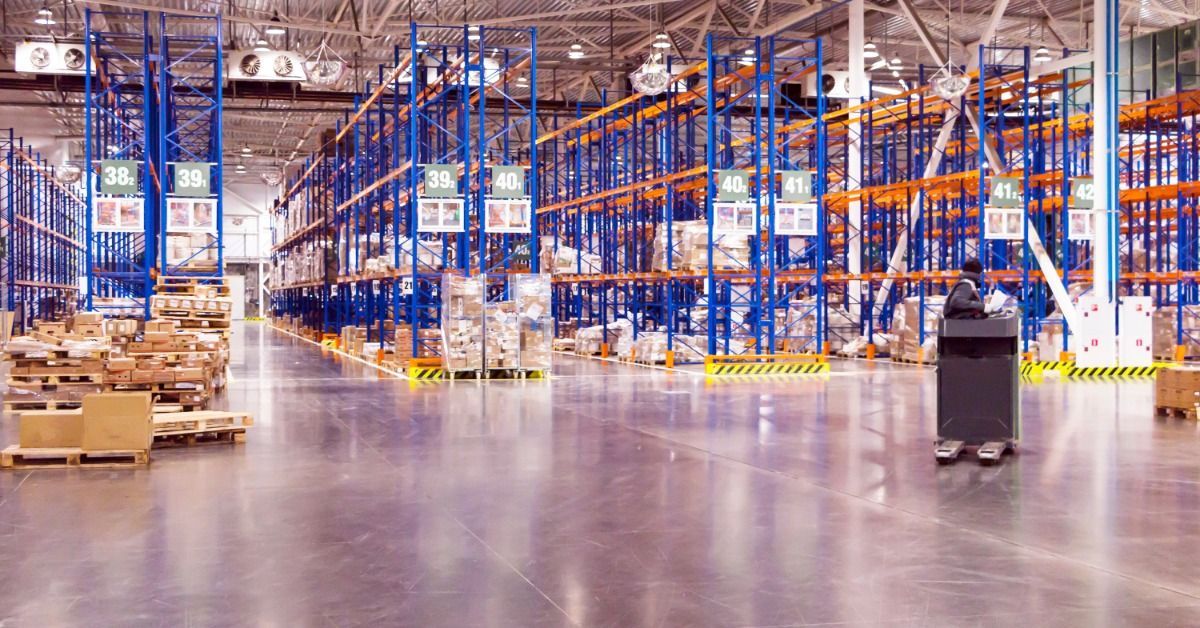
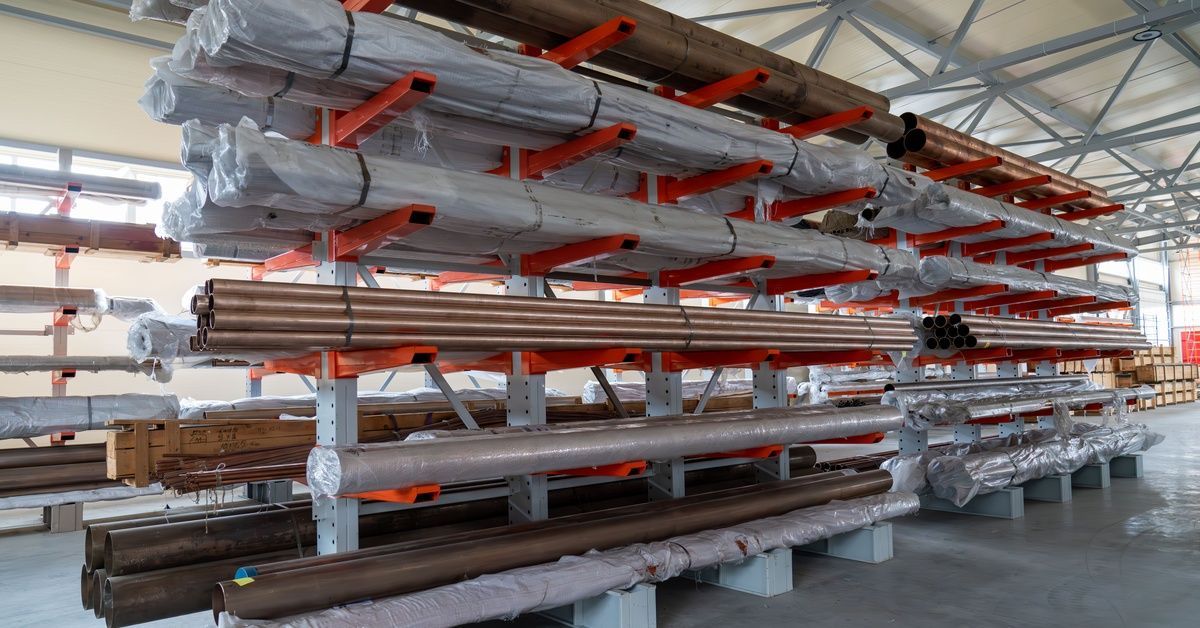
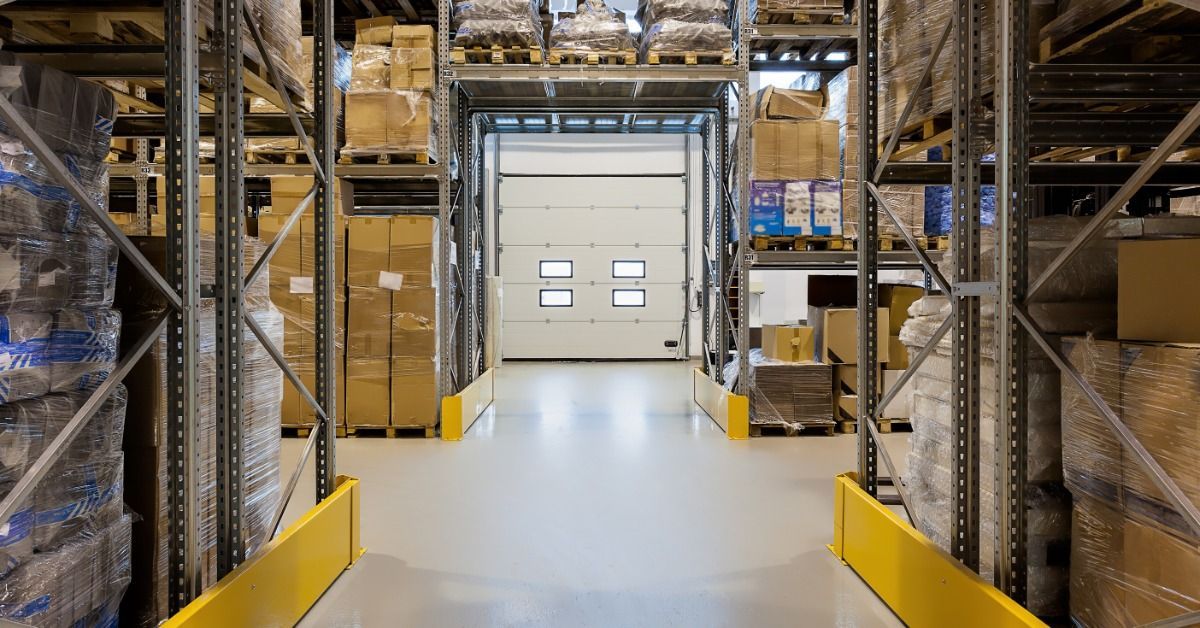
Strategically positioning storage systems near loading docks can improve freight handling while reducing congestion and unnecessary travel. Businesses should evaluate how shelving and staging areas affect forklift movement and access to dock levelers. Working with experienced pallet rack suppliers can help facilities select storage configurations that accommodate heavy inventory without restricting important traffic routes.
Partner With Tyler Supply Company for Safer Material Handling
Dock leveler safety protocols need ongoing attention because freight patterns and facility layouts can change over time. Supervisors should review procedures after equipment updates, near misses, seasonal volume increases, or workflow changes. Regular refreshers help employees treat dock protocols as standard operating practice instead of extra steps.
Dock leveler safety directly affects how a facility stores and moves heavy freight. A strong material handling plan helps businesses improve traffic flow and support employees during demanding loading dock work.
Tyler Supply Company helps businesses across Michigan and the Midwest evaluate storage and material-handling needs with practical, reliable solutions. Our team works with a variety of commercial facilities. Contact Tyler Supply Company today to discuss equipment options that support safer workflows, stronger organization, and more efficient freight handling.