Boost Warehouse Efficiency With Smart Carts
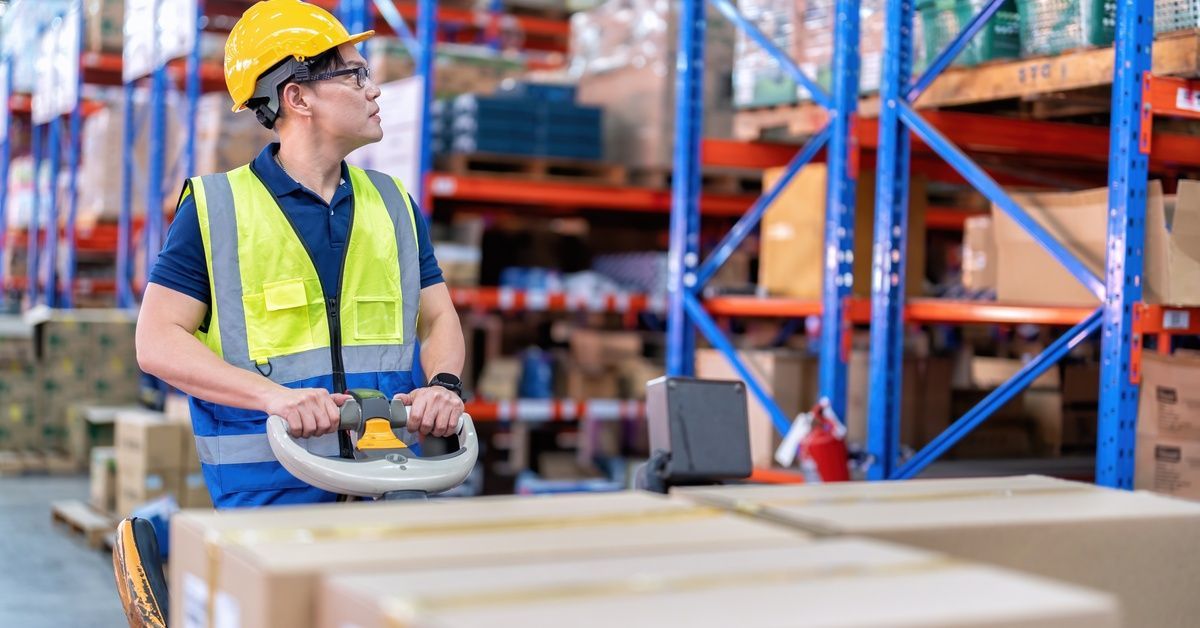
Warehouse efficiency depends on how quickly teams move materials, organize inventory, and complete daily workflows. Many facilities struggle with wasted motion, cluttered aisles, and inconsistent material transport between workstations.
Smart carts solve these issues by giving employees mobile, structured tools that support organized material handling. Facilities that integrate these carts into daily operations often see measurable improvements in speed, safety, and productivity.
Warehouse managers continue to seek practical solutions that reduce handling time and streamline operations. Smart carts help boost warehouse efficiency and provide a flexible option that adapts to changing production demands and storage layouts. Teams can move tools, components, and finished products quickly without unnecessary lifting or multiple trips.
Why Material Transport Impacts Warehouse Productivity
Every warehouse relies on consistent material movement between storage areas, workstations, and shipping zones. Inefficient transport methods force workers to spend valuable time walking back and forth across the facility.
Excess motion increases fatigue while reducing the amount of productive work completed during each shift. Smart carts address this issue by allowing employees to transport multiple items in a single organized trip.
Warehouse teams benefit when material flow matches the pace of operations. A well-designed cart system supports structured workflows by keeping tools, components, and supplies organized during transport. Workers can position materials exactly where they need them without disrupting surrounding operations. This level of organization supports faster order fulfillment and more predictable production schedules.
What Makes Smart Carts Different From Standard Utility Carts
Traditional utility carts serve basic transport needs but rarely support optimized workflows. Many lack configurable shelving, ergonomic design, or task-specific organization features. Smart carts focus on workflow integration rather than simple transportation. Designers create these carts to support efficiency at every stage of the material handling process.
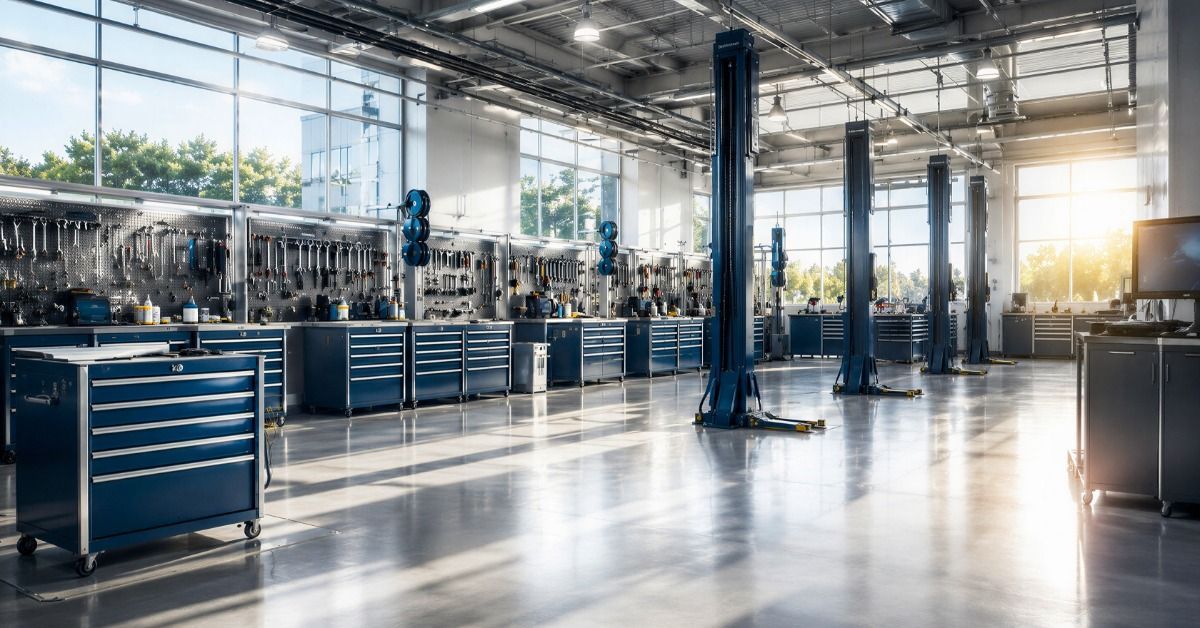
Modern facilities rely on carts that adapt to different operational tasks throughout the day. Adjustable shelves, modular bins, and task-specific accessories allow workers to configure carts for unique workflows. Employees can organize tools, materials, and documents directly on the cart to reduce unnecessary handling steps. This adaptability makes smart carts a valuable addition to growing warehouse environments.
Key Features That Improve Operational Efficiency
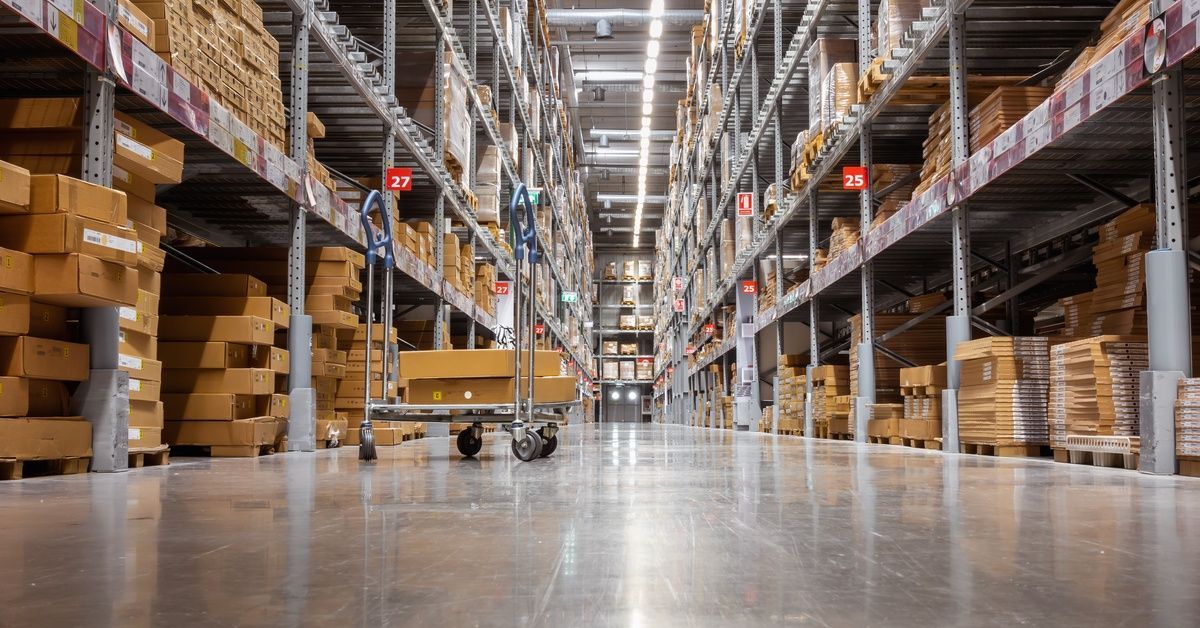
Smart carts include several features designed to streamline warehouse operations. These features support both material transport and workspace organization. Workers benefit from improved accessibility, reduced physical strain, and faster task completion. Facilities that prioritize efficient equipment often experience smoother daily operations.
Common features found in high-quality smart carts include:
- Adjustable shelving for different product sizes
- Integrated bins for small parts organization
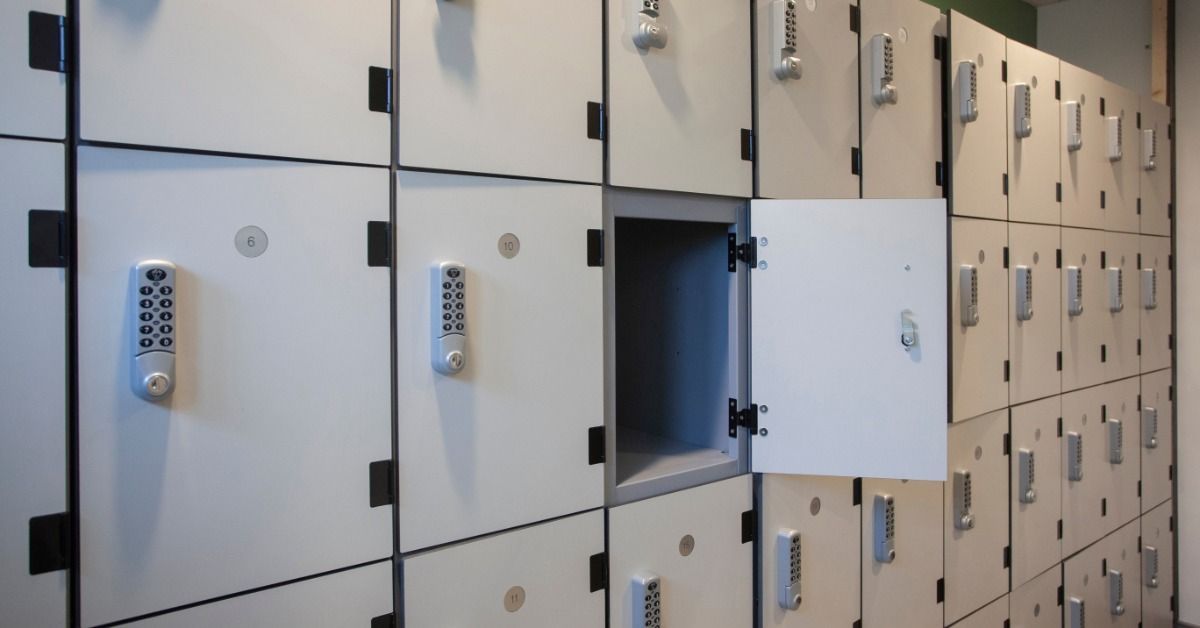
- Lockable compartments for tools or sensitive materials
- Heavy-duty casters for smooth mobility across warehouse floors
- Ergonomic handles that support safe maneuvering
- Labeling areas that improve inventory tracking
Each feature contributes to better workflow organization across large facilities. Teams can configure carts to match their specific operational needs without purchasing specialized equipment for every task. This flexibility helps warehouses maintain efficiency as operations expand.
How Smart Carts Reduce Worker Fatigue
Warehouse employees perform physically demanding tasks throughout each shift. Repeated lifting, carrying, and walking can lead to fatigue that slows productivity. Smart carts minimize these physical demands by allowing workers to move larger quantities of materials safely. This reduction in strain helps employees maintain energy and focus during long shifts.
Ergonomic design plays a major role in employee safety and performance. Carts with proper handle placement and smooth rolling casters require less effort to maneuver across warehouse floors. Workers can transport materials with controlled movement instead of awkward lifting or dragging. A safer work environment encourages consistent productivity and reduces the risk of workplace injuries.
Supporting Lean Warehouse Operations
Many modern warehouses follow lean principles that focus on eliminating waste and improving efficiency. Excess motion, unnecessary handling, and disorganized material flow create operational waste. Smart carts support lean strategies by organizing materials at the point of use. Workers can complete tasks more quickly because they keep essential tools and components within reach.
Lean operations require equipment that adapts to evolving workflows. Smart carts allow managers to redesign processes without replacing entire storage systems. Teams can adjust cart configurations as production requirements change. This flexibility allows facilities to continuously refine their operational efficiency.
Smart Carts Improve Organization Across Large Facilities
Large warehouses often struggle with maintaining organization across multiple departments. Tools and materials frequently move between receiving, storage, production, and shipping zones. Without a structured transport system, items can become misplaced or delayed during processing. Smart carts provide a consistent method for moving materials while maintaining organization.
Workers can dedicate specific carts to particular tasks or departments. For example, assembly teams may use carts designed to hold parts bins and tools. Shipping teams may rely on carts configured for order staging and packing supplies. This task-specific organization reduces confusion and keeps materials moving smoothly throughout the facility.

Integrating Smart Carts Into Existing Storage Systems
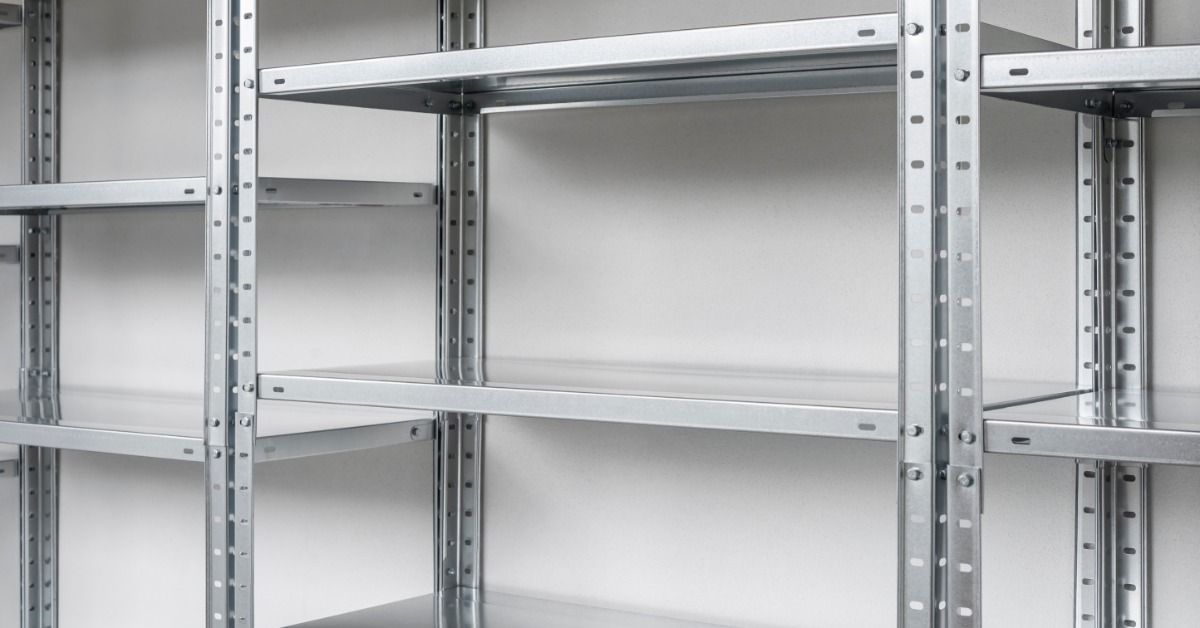
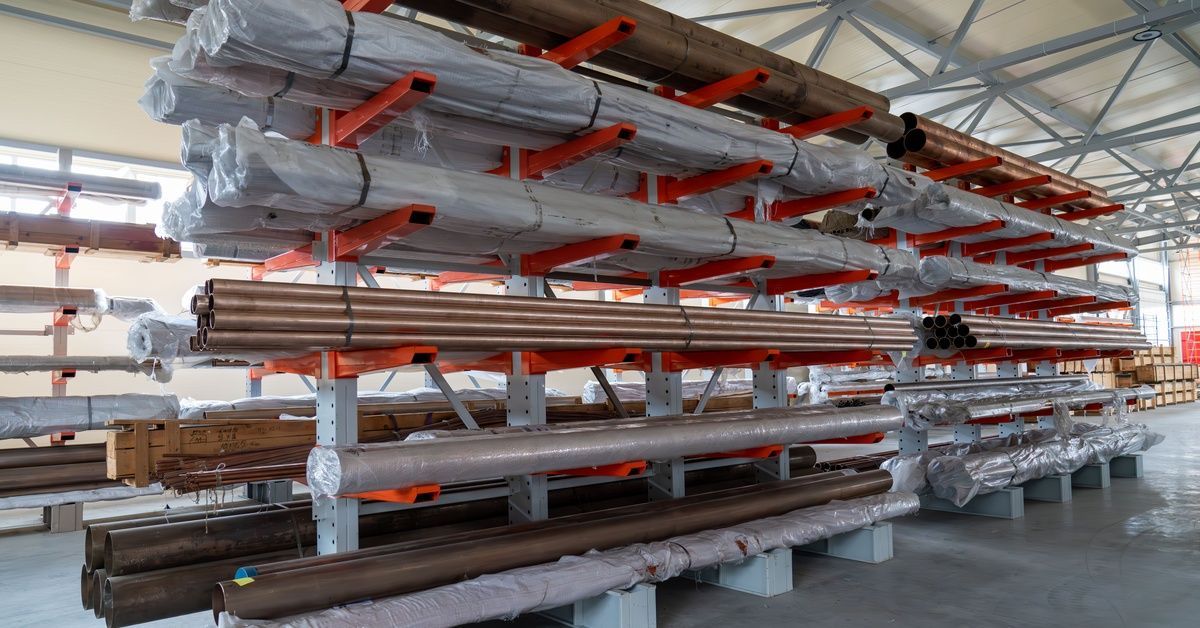
Many facilities worry that new equipment may disrupt established workflows. Smart carts integrate easily with existing warehouse layouts and storage solutions. Teams can position carts alongside pallet racks, shelving systems, and packing stations without requiring major structural changes. This compatibility allows facilities to improve operations without costly renovations.
Facilities that already invest in organized storage infrastructure often see immediate benefits from smart carts. Efficient transport complements well-structured storage systems and improves overall workflow coordination.
Many businesses that implement carts alongside other storage solutions report noticeable improvements in daily productivity. Companies that specialize in material handling and storage systems in Michigan frequently recommend smart carts as a practical upgrade for warehouse operations.
Choosing the Right Smart Cart for Your Facility
Selecting the right cart requires careful evaluation of daily warehouse activities. Managers should analyze common transport tasks, load sizes, and workflow patterns before choosing equipment. A cart designed for small parts assembly may not perform well in a bulk shipping environment. Understanding operational needs helps facilities choose carts that support long-term productivity.
Durability also plays a major role in equipment performance. Warehouses operate in demanding environments where carts must handle heavy loads and constant movement. High-quality materials and strong construction ensure carts withstand daily use without frequent repairs. Investing in durable equipment reduces long-term costs while improving operational reliability.
Long-Term Benefits of Smart Cart Implementation
Warehouses that adopt smart carts often experience efficiency improvements beyond immediate productivity gains. Organized material transport reduces workflow interruptions and supports consistent task completion. Employees can quickly locate tools and materials because carts maintain their storage order during transport. These improvements contribute to smoother operations across the entire warehouse.
Smart carts also support future operational growth. Expanding facilities require flexible equipment that adapts to increased production demands. Mobile work solutions allow managers to scale operations without redesigning the entire workspace. Businesses that prioritize efficient material movement position themselves for long-term operational success.
Tyler Supply Company has supported businesses with material handling solutions since 1953 and focuses on reliable service, strong communication, and dependable equipment. Our team helps facilities choose equipment that improves productivity while maintaining safe, organized environments. This commitment to expertise and customer support has made Tyler Supply Company a trusted resource for industrial storage and handling solutions.