Seismic Base Plate Calculations for Pallet Racks

Warehouse storage systems must withstand more than the weight of inventory sitting on their shelves. In earthquake-prone regions, pallet racks also need enough structural stability to withstand seismic forces that can shift equipment and threaten worker safety. Base plates play a key role in this stability by transferring forces from the rack uprights into the concrete floor.
Understanding seismic base plate calculations for pallet racks helps warehouse owners make informed decisions about rack design, installation, and long-term safety. Qualified engineers must perform and approve project-specific structural calculations, but facility managers benefit from understanding which factors influence base plate requirements and why proper anchoring matters.
Why Seismic Base Plate Calculations Matter
Seismic activity creates horizontal forces that can cause pallet racks to sway or overturn. Unlike ordinary vertical loads, earthquake forces place additional demands on rack frames, base plates, and anchor bolts. Engineers must evaluate these forces to determine whether each connection can remain structurally stable during seismic movement.
Base plates distribute forces from rack uprights into the supporting concrete slab. Their dimensions and connection details influence how effectively they transfer those forces. An undersized plate or inadequate anchor arrangement may create excessive stresses that compromise the connection.
Accurate calculations help businesses reduce structural risks while meeting applicable building code requirements. They also support smarter purchasing decisions by identifying the appropriate components before installation begins.
Understanding Seismic Design Requirements
Seismic design requirements vary according to geographic location and building characteristics. Engineers commonly reference the International Building Code (IBC), ASCE 7, and ANSI MH16.1 when evaluating industrial steel storage racks.
These standards establish requirements for determining seismic demands and evaluating structural performance. Local jurisdictions may adopt different code editions or amendments, so engineers must confirm which provisions apply to each project.
Ground motion characteristics also influence seismic design. Engineers consider site-specific seismic parameters and structural response when calculating the forces a rack must resist.
A warehouse in a region with substantial earthquake hazards may require stronger connections than a comparable facility in a lower-hazard area. However, location alone cannot determine the final design. Rack geometry, loading conditions, and applicable code provisions also affect the calculations.

Calculating Seismic Forces on Pallet Racks
Engineers begin seismic analysis by determining how much weight a pallet rack system must support during an earthquake. This assessment includes the rack's structural weight and the portion of its stored inventory that applies. Industry standards guide these calculations because seismic design loads may differ from a rack's maximum storage capacity.
Seismic forces create horizontal loads that can cause racks to sway or shift during ground movement. Engineers evaluate the expected intensity of this movement alongside the rack's structural characteristics. These calculations help determine how much force the system must withstand while maintaining stability.
Rack height also influences seismic performance. Taller racks often experience greater overturning forces because their elevated loads create additional leverage during an earthquake. Even racks with similar weight capacities can experience different structural demands depending on their height and inventory distribution.
Determining Base Plate Dimensions and Thickness
Base plate dimensions affect how forces transfer from the steel upright to the concrete foundation. A larger plate can distribute compressive forces over a larger area, but its effectiveness depends on plate stiffness and the supporting concrete.
Engineers evaluate bearing pressure and the geometry of the upright connection. They also consider whether seismic overturning produces compression at one upright while creating uplift at another.
Plate thickness affects resistance to bending under concentrated loads. A plate that lacks sufficient thickness may deform even when its overall footprint appears adequate.
The calculations must account for anchor locations and how the plate interacts with its supporting surface. Engineers cannot select thickness solely from rack capacity or plate dimensions. Proper design balances structural performance with practical installation requirements.
Evaluating Anchor Bolt Strength and Placement
Anchor bolts connect rack base plates to the concrete floor and help resist uplift and lateral forces. Their diameter, embedment depth, material properties, and installation configuration influence connection capacity.
Seismic loading can produce tension and shear forces simultaneously. Engineers must evaluate how these forces interact rather than checking each demand independently.
Several factors deserve attention during anchor selection:
- Anchor diameter: Influences the steel strength available to resist applied forces.
- Embedment depth: Affects anchorage performance and potential concrete failure modes.
- Edge distance: Helps determine whether nearby slab edges reduce anchor capacity.
- Anchor spacing: Influences how multiple anchors interact under loading.
- Concrete condition: Affects allowable anchor applications and expected performance.
- Seismic qualification: Establishes whether the selected anchor meets applicable seismic design requirements.
Engineers commonly reference ACI 318 provisions when evaluating anchors in concrete. These requirements address potential failure mechanisms, including concrete breakout and anchor steel failure.
Proper installation remains essential because even a correctly designed anchor may perform poorly when installers disregard manufacturer instructions.
How Rack Configuration Affects Seismic Performance
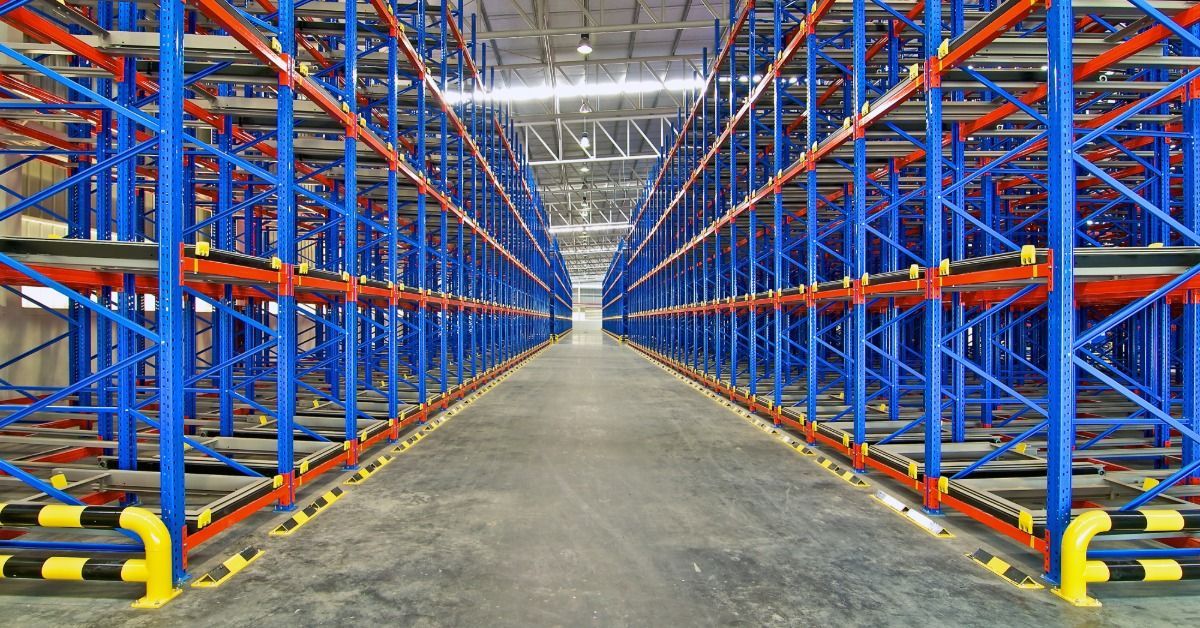
Rack geometry directly influences seismic demands on base plates and anchors. Tall, narrow racks generally present different overturning concerns than shorter configurations with wider footprints.
Beam elevations, upright spacing, and frame connections also affect structural behavior. Engineers consider these characteristics when developing the rack's seismic model and evaluating how forces reach the floor.
Inventory placement deserves equal attention. Placing heavy products near upper storage levels can increase overturning demands compared with placing them closer to the ground.
Businesses planning new pallet rack storage systems should communicate their intended inventory weights and storage heights before finalizing equipment specifications. Future expansion also deserves consideration. Adding storage levels or increasing load capacities can change seismic demands and may require another engineering review.
Common Mistakes in Seismic Base Plate Design
One common mistake is assuming standard base plates work for every warehouse installation. Manufacturers offer different configurations because structural requirements vary considerably between projects.
Another problem arises when businesses reuse existing anchors without verifying they're suitable. Previous installations may have different loading assumptions, anchor layouts, or seismic requirements.
Warehouse operators should also avoid treating installation quality as separate from engineering design. Incorrect drilling, insufficient embedment, or improper anchor tightening can undermine the intended connection performance. Regular inspections help identify loose anchors, damaged plates, and changes in rack alignment.
Working With a Qualified Pallet Rack Supplier
Reliable seismic design starts with accurate information and coordinated planning. Warehouse owners should work with suppliers who understand how rack dimensions and anchoring components affect overall system performance.
Tyler Supply Company can serve as a resource when businesses evaluate pallet rack equipment and storage configurations. With a focus on quality pallet racking equipment and practical storage solutions, Tyler Supply Company helps warehouse owners maximize available space while addressing their facility's unique requirements.
Understanding seismic base plate calculations for pallet racks helps businesses make safer, more informed storage decisions. By addressing structural requirements early, warehouse operators can reduce installation complications and support dependable storage operations over the long term. Explore Tyler Supply Company’s pallet rack options to find dependable equipment that supports your warehouse's storage needs.