Integrating Tools for Efficient Automotive Workstation Flow
Every minute a technician spends searching for a 10mm socket or walking across the shop floor to check parts inventory is a minute of lost revenue. In the automotive repair industry, time isn't just money—it’s the primary product you sell.
Yet, many service centers and dealerships still operate with fragmented workflows where physical tools, diagnostic equipment, and management software exist in separate silos. This disconnection leads to bottlenecks that frustrate your team and eat into your profit margins.
Integrating the right tools for an efficient automotive workstation flow requires more than just buying better equipment. It demands a strategic approach to integration.
When you align your physical workspace with your digital management systems, you can eliminate wasted movement, streamline operations, and boost efficiency instantly. Let’s explore how integrating your tools creates a seamless flow that supports growth and delivers a measurable return on investment (ROI).
The Hidden Costs of a Fragmented Workflow
Before fixing the problem, it helps to understand the financial impact of disorganization. In lean manufacturing terms, waste often manifests as unnecessary motion or waiting. When a technician has to leave their bay to access a diagnostic computer or log a job update, the workflow breaks.
These interruptions might seem minor—perhaps only five minutes here and there. However, across a team of ten technicians, those five minutes compound into hundreds of unbilled hours annually.
A fragmented workflow forces your highly skilled staff to perform low-value tasks, such as searching for equipment or manually re-entering data into disconnected systems. To achieve a positive ROI within 12 months, business managers must identify these operational inefficiencies and address them with integrated solutions.
What True Integration Looks Like in the Shop
Integration in an automotive context is two-fold: it involves the physical arrangement of the workstation and the digital connectivity of the tools used. With both of these integrations in place, you can work stress-free with a reliable workflow.
Physical Integration: The Modular Workspace
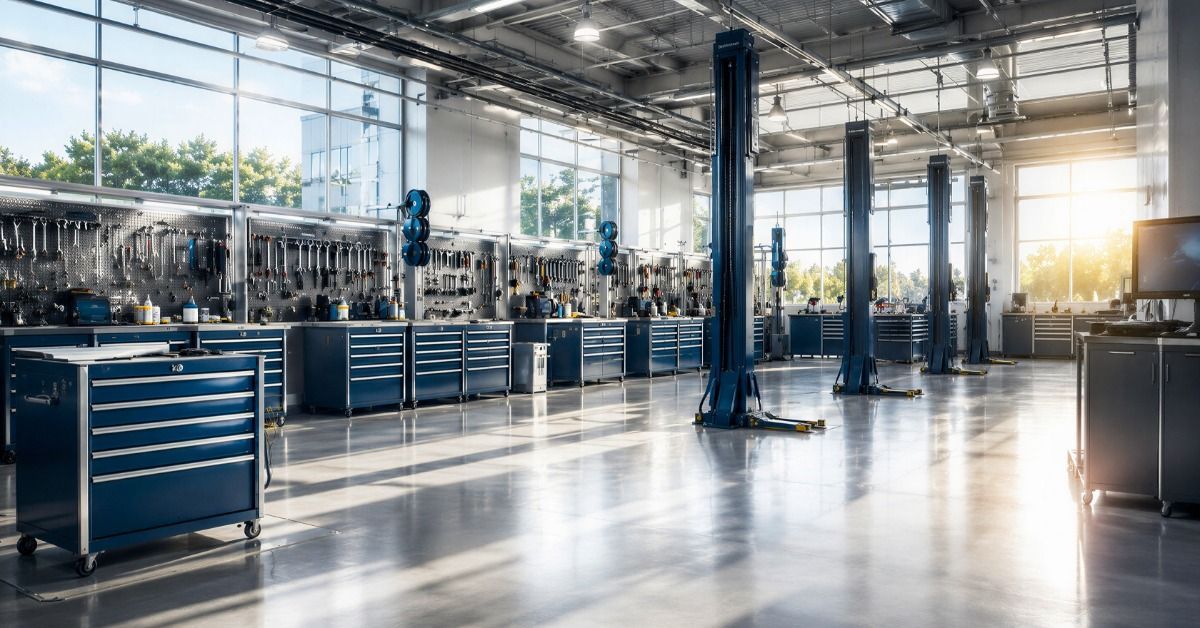
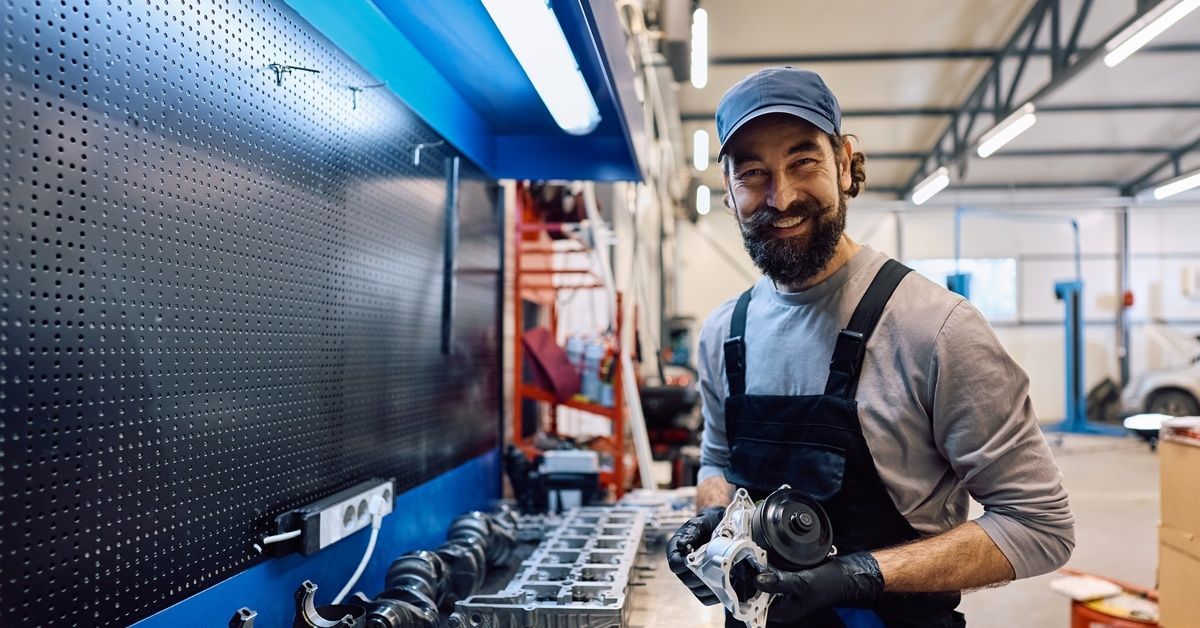
A scalable workstation grows with your business. Instead of static benches, modern high-efficiency shops utilize modular storage systems that you can reconfigure as the workshop's needs change. You should integrate tools directly into the technician's immediate zone. This might look like:
- Shadow-boarded drawers ensure every tool has a home and that any employees can spot missing items instantly.
- Integrated power and air: Building utilities directly into the lift or bench can prevent trip hazards and setup time.
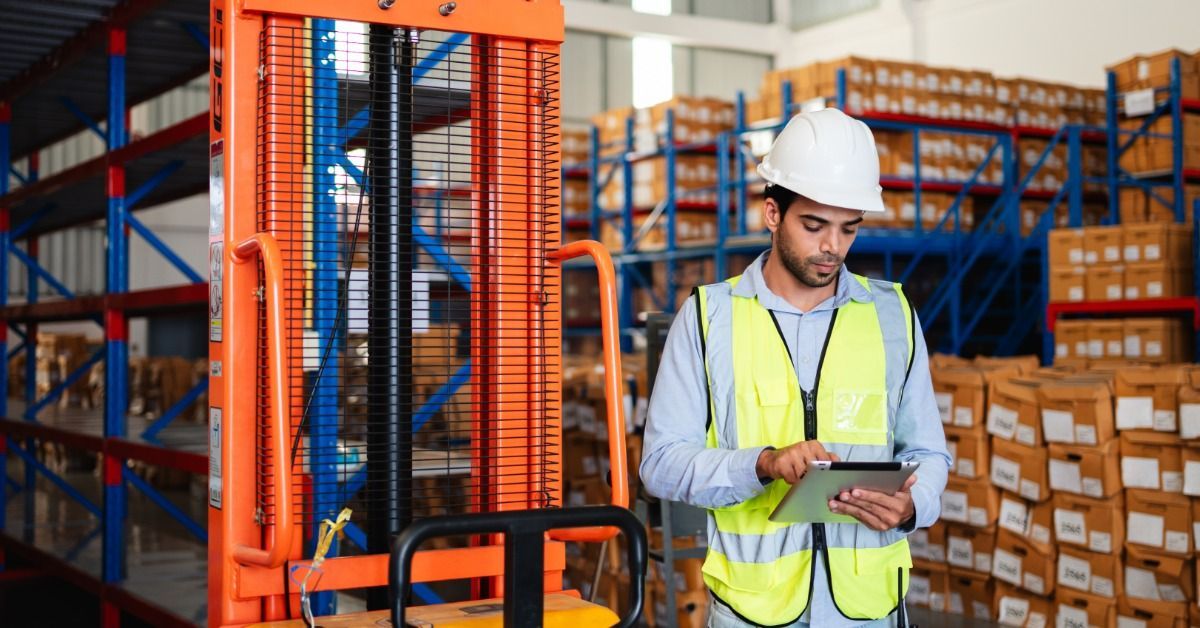
- Mobile diagnostic stations allow the brain of the operation to move with the vehicle, rather than forcing the technician to walk to a shared computer terminal.
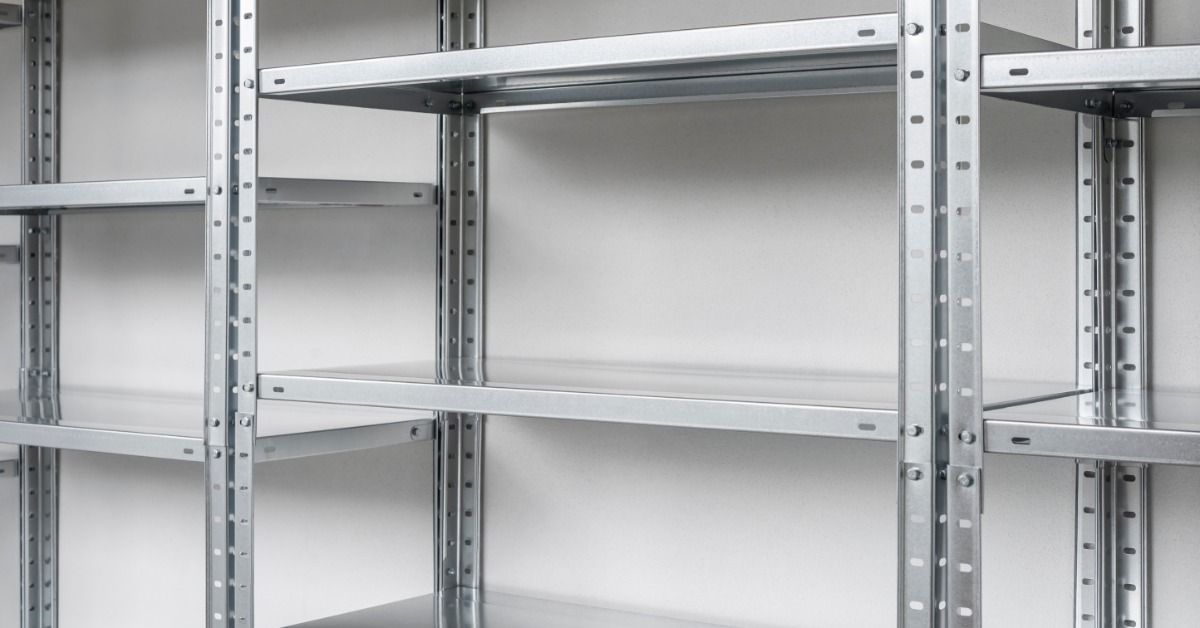
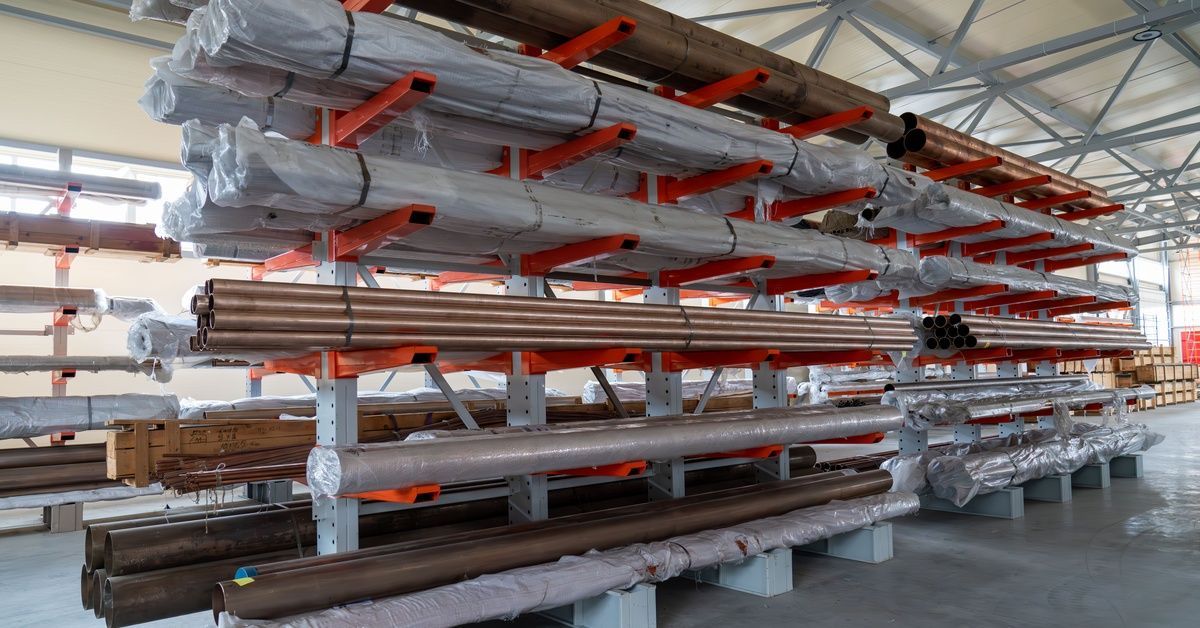
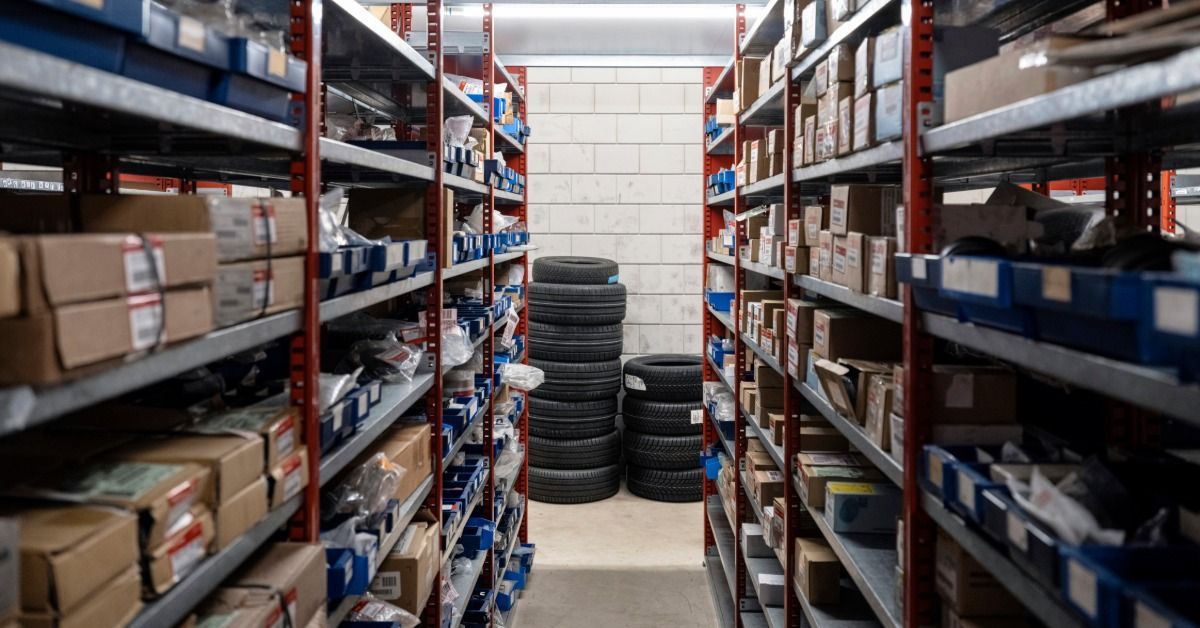
- Dynamic shelving: With the right commercial metal shelving, your business can store equipment in plain sight without leaving a cluttered workspace. Beyond that, you can focus on what each shelf needs to have for a reliable workstation.
Digital Integration: Connected Systems
Enhanced digital integration also enables real-time data sharing across departments, significantly improving workflow efficiency. For example, service advisors can instantly access diagnostic results to communicate accurate updates to customers, while technicians can receive part-availability updates without delay.
Advanced integration ensures that all stakeholders see the same data, reducing miscommunication and streamlining decision-making. Additionally, integrating with inventory management tools can automate stock level tracking, preventing shortages and delays.
A truly connected system not only optimizes daily operations but also provides actionable analytics, helping you identify trends, measure performance, and refine processes for long-term improvement. This level of connectivity empowers shops to operate with precision and agility, meeting modern customer demands with ease.
The ROI of Connected Workstations
Investing in an integrated workstation flow is a capital expense, but the payoff is operational speed and data accuracy. Here is where you will see the impact on your bottom line.
1. Increased Billable Hours
When you keep tools organized and systems connected, wrench time increases. Technicians spend less time on administration and logistics and more time on repair. Shops that optimize workstation flow often see a significant uptick in productivity metrics, as technicians can complete jobs faster without cutting corners.
2. Enhanced Team Collaboration
Silos destroy collaboration. When your parts inventory system integrates with the service lane’s quoting tool, communication improves. A service advisor doesn't need to run to the back to check on a filter; the data is right there. This cross-department collaboration reduces friction and allows your team to deliver faster answers to customers, directly improving satisfaction scores.

3. Scalability Assurance
Business growth requires systems that can handle increased volume. An ad-hoc collection of mismatched toolboxes and standalone software won't scale. Integrated systems allow you to expand when needed.
Whether you are adding two new bays or opening a second location, standardized, integrated workstations ensure that new hires can hit the ground running with minimal friction.
Strategies for Implementation
Upgrading your facility’s workflow is a strategic initiative that requires planning. Here are actionable steps for managers looking to overhaul their operations.
Conduct a Motion Audit
Spend a day observing your shop floor. Map your technicians' movements. How often do they leave their bay? Where are the congestion points? Use this data to justify budget allocations for new equipment or software.
Standardize the Setup
Uniformity breeds efficiency. Ensure that every workstation is set up identically regarding core tooling and software access. This standardization allows any technician to work in any bay without a learning curve, offering you greater scheduling flexibility.
Prioritize Security and Durability
Automotive environments are harsh. Your digital integrations must be durable enough to withstand oil and impact, and your software must be secure. With customer data on the line, ensure any integrated software solution offers robust data security measures to ensure compliance.
Driving Forward With Integrated Solutions
The difference between a struggling shop and a market leader often comes down to flow. When you integrate the right tools for your automotive workshop's flow, you can run more smoothly and provide a better experience for both your employees and your customers.
Tyler Supply Company offers a wide array of warehouse shelving options that work well in ever-changing automotive workshops. Our adjustable steel shelving provides you with the best productivity and customization options without requiring multiple shelving units. Contact us today to learn more about what shelves will work best for your workshop.
Take a hard look at your current setup. Are your tools working together, or are they getting in the way? The path to higher ROI starts with a single step toward integration.