How To Store Small Metal Parts in Your Warehouse
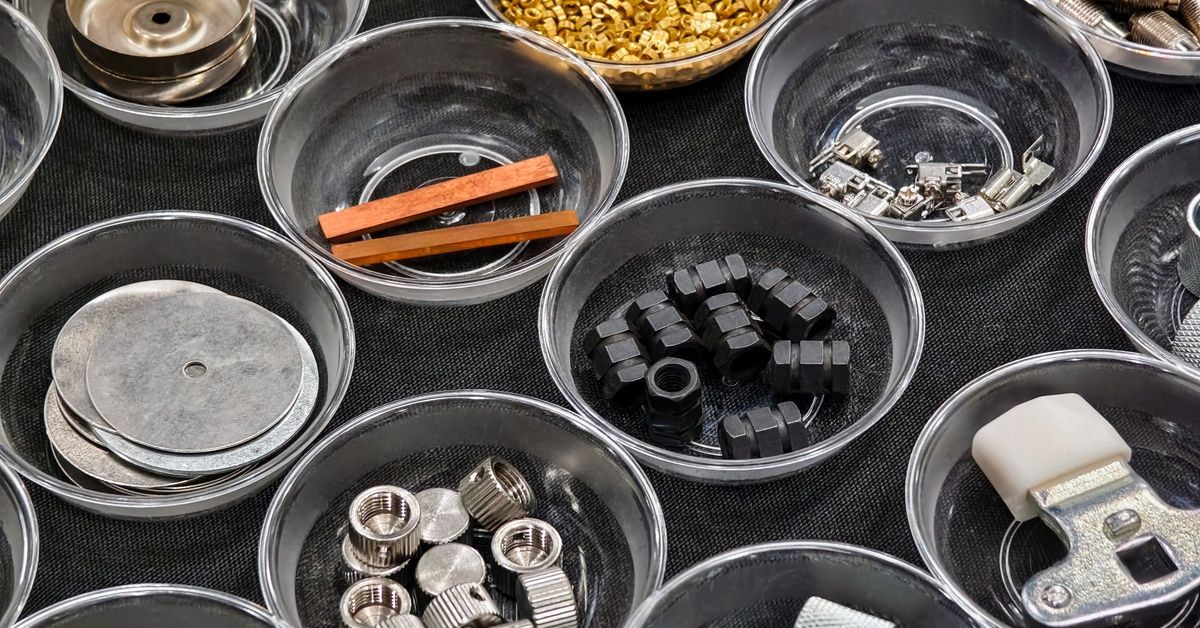
Small metal parts present unique storage challenges that can make or break your warehouse efficiency. These components, which include screws, bolts, electronic components, and precision-machined pieces, require specialized organization systems to prevent loss, damage, and costly retrieval delays.
Poor storage practices for small metal parts lead to significant operational issues. Your smaller parts can be lost in oversized bins, corrode due to improper environmental controls, or become damaged from inadequate protection.
Understanding how to store small metal parts in your warehouse can decrease production delays and improve productivity during the workday. You'll learn how to choose the right storage systems, implement time-saving organization methods, and create an environment that protects your inventory investment.
Understanding Small Metal Parts Storage Requirements
Small metal parts demand different storage approaches than larger warehouse items. Their compact size makes them easy to misplace, while their material composition requires specific environmental considerations to prevent degradation.
Size and accessibility challenges become immediately apparent when dealing with components measuring less than a few inches. Traditional warehouse shelving designed for boxes and pallets proves inadequate for small parts storage. Workers struggle to locate specific items quickly, leading to productivity losses and potential safety hazards as employees climb shelving or dig through containers.
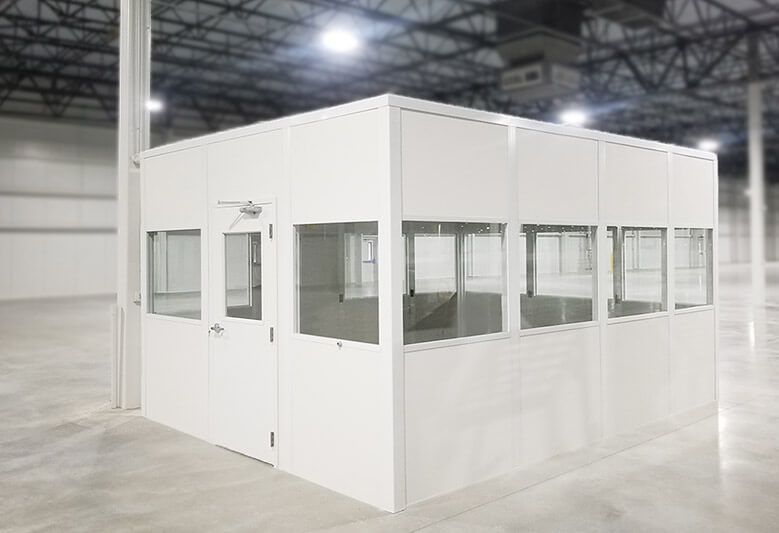
Environmental protection plays a crucial role in maintaining product quality. Metal components are susceptible to corrosion, especially in humid environments or when exposed to temperature fluctuations. Dust accumulation can also compromise precision parts, making proper enclosure essential.
Inventory tracking complexity increases exponentially with smaller parts. Manual counting becomes time-intensive and error-prone, while traditional barcode systems may not work effectively on tiny components. These factors make implementing robust tracking systems critical for operational success.
Choosing the Right Storage Systems
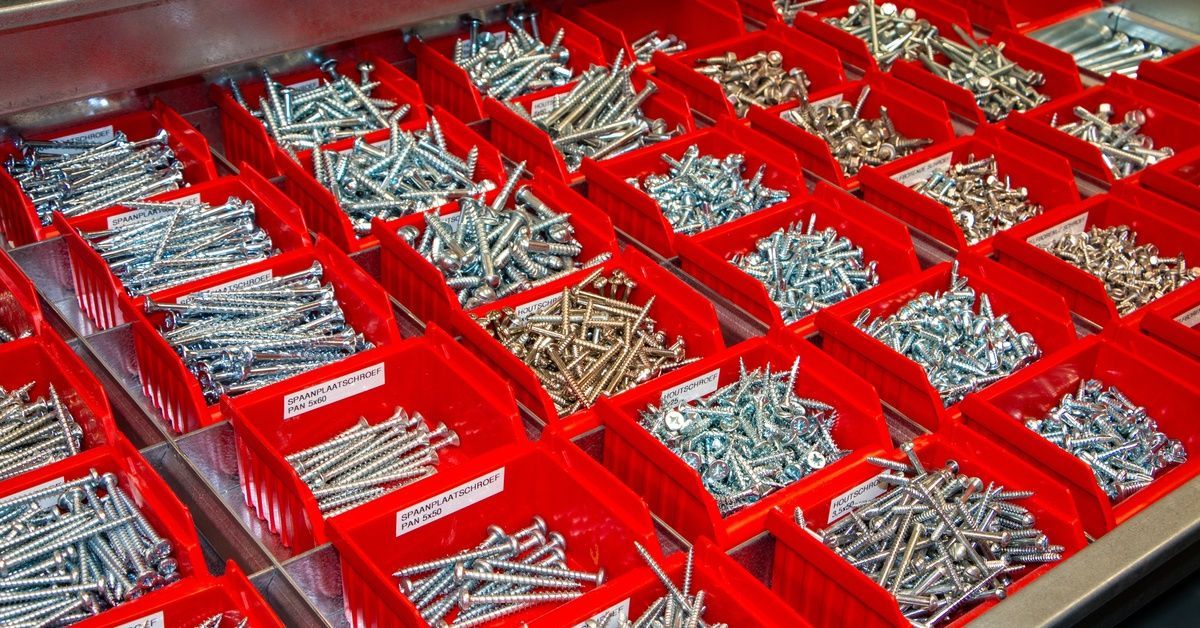
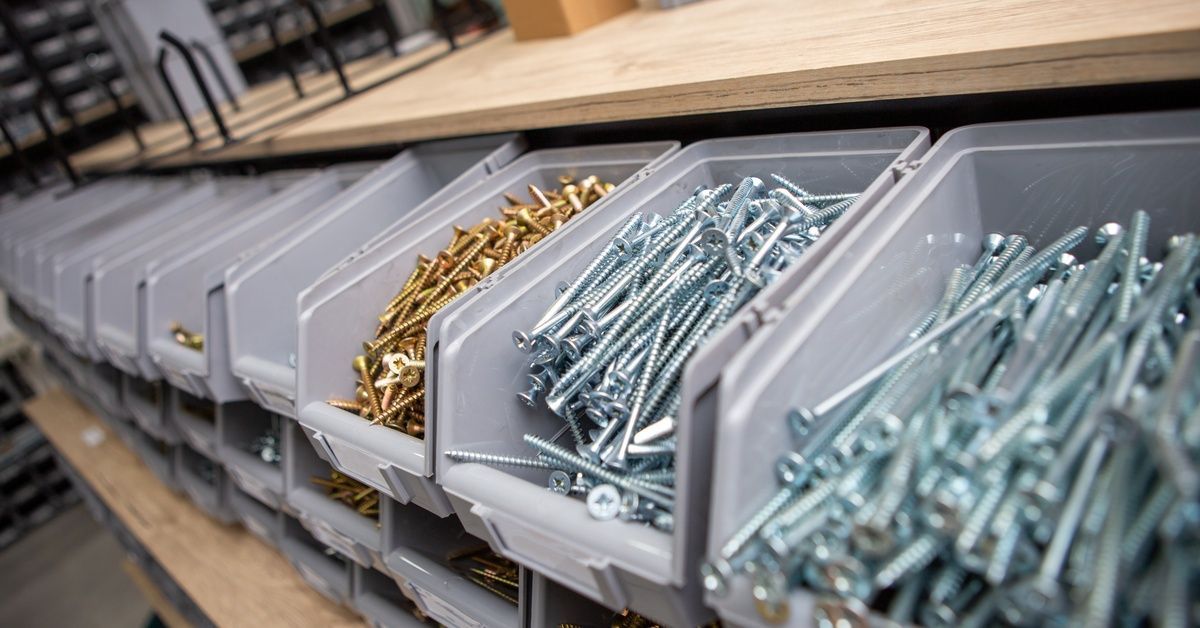
Bin storage systems offer the most versatile solution for small metal parts. These modular systems feature multiple compartments sized specifically for small components. Look for bins with adjustable dividers that allow for customization based on your specific part sizes. Clear plastic construction enables visual identification without opening containers, while stackable designs maximize vertical space utilization.
Drawer storage units provide excellent organization for frequently accessed parts. These systems feature multiple shallow drawers with customizable compartment inserts. The key advantage lies in their ability to keep all stored items visible at a glance while protecting them from environmental contamination. Heavy-duty metal construction ensures long-term durability under warehouse conditions.
Automated storage and retrieval systems represent the premium solution for high-volume operations. These computer-controlled systems store parts in compact carousels or towers and deliver requested items directly to operators. While requiring significant upfront investment, they dramatically reduce picking time and virtually eliminate storage errors.
Small parts cabinets work well for organizing a wide range of components. These units typically feature dozens of small drawers, each capable of holding different part types. Label systems on drawer fronts enable quick identification, while the enclosed design protects contents from dust and moisture.
Organization and Labeling Best Practices
Effective organization starts with logical categorization. Group parts by function, size, or usage frequency rather than simply by availability of space. This approach reduces search time and helps workers develop an intuitive understanding of your storage layout.
Implement a consistent labeling system that includes both human-readable information and machine-scannable codes. Include part numbers, descriptions, and quantity information on each label. Consider color-coding labels by category to enable faster visual identification from a distance.
Use standardized container sizes whenever possible. This approach simplifies storage planning and improves space utilization. When parts require different container sizes, establish clear guidelines for which container types to use for specific part categories.
Maintain clear aisle markings and location identifiers throughout your storage area. Use alphanumeric systems that allow precise location specification for inventory tracking systems. Ensure signs remain visible and readable under your warehouse lighting conditions.
Create visual management tools such as shadow boards for frequently used tools and parts. These systems make missing items immediately obvious while providing clear guidance for proper storage locations.
Environmental Considerations and Protection
Small metal parts require careful environmental control to maintain quality and prevent degradation. Temperature fluctuations cause expansion and contraction that can affect precision tolerances, while humidity promotes corrosion and oxidation.
Maintain stable temperature and humidity levels in your storage areas. Install monitoring systems that alert you to environmental changes before they affect your inventory. Consider dehumidification systems in areas with high ambient moisture levels.
Implement corrosion-prevention measures, such as vapor corrosion inhibitor packets, in storage containers. These chemical treatments create protective atmospheres that prevent oxidation without direct contact with parts. For critical components, consider nitrogen purging systems that eliminate oxygen from storage environments.
Control dust and contamination by properly enclosing storage systems. Even minor dust accumulation can interfere with the quality of precision parts or electronic components. Use filtered air systems in critical storage areas and establish cleaning protocols for storage containers.
Provide adequate lighting throughout storage areas to enable accurate part identification and reduce handling errors. LED lighting systems offer energy efficiency while providing consistent, bright illumination that doesn't generate excessive heat.
Technology Integration for Enhanced Management
Modern warehouse management systems offer sophisticated capabilities for tracking and managing small parts. Barcode and RFID systems enable accurate inventory tracking while reducing manual counting requirements.
Implement inventory management software tailored to small parts operations. These systems track part quantities, locations, and usage patterns to optimize reorder points and identify slow-moving inventory. Integration with purchasing systems automates reordering processes and maintains optimal stock levels.
Consider automated picking technologies, such as pick-to-light systems, that guide workers to the correct storage locations and quantities. These systems reduce picking errors while increasing productivity through optimized picking routes.
Use mobile scanning devices to enable real-time inventory updates throughout your warehouse. Workers can update quantities and locations immediately, maintaining accurate system data without returning to fixed terminals.
Common Mistakes To Avoid
Many warehouses make costly mistakes when implementing small-parts storage systems. Learning from these common mistakes can save significant time and money during your implementation process.
Undersizing storage capacity represents one of the most frequent planning errors. Small parts often arrive in larger quantities than anticipated, and inadequate storage space leads to overcrowded containers and disorganized storage areas. Plan for growth and seasonal fluctuations in inventory levels.
Neglecting worker training on proper storage procedures undermines even the best-designed systems. Ensure all personnel understand location codes, labeling systems, and proper handling procedures. Regular refresher training maintains system integrity as staff changes occur.
Maximizing Your Small Parts Storage Success
Effective storage of small metal parts in your warehouse requires careful planning, appropriate system selection, and consistent implementation. Success depends on understanding your specific requirements and choosing solutions that match your operational needs and budget constraints.
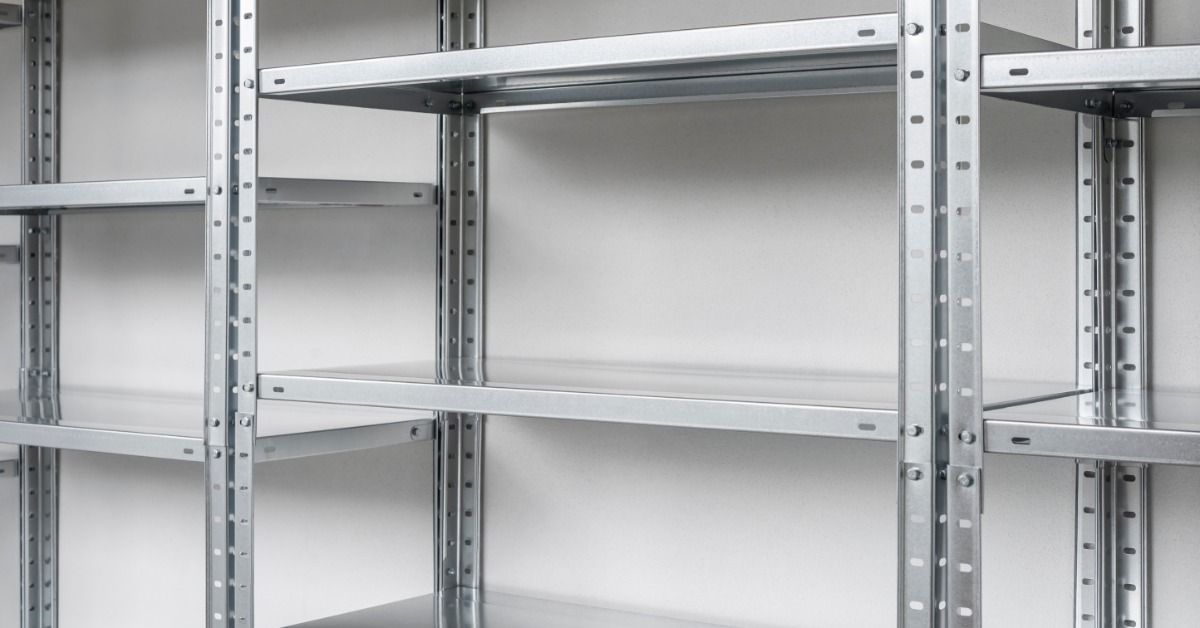
Partner with Tyler Supply Company to streamline the search for the right storage solutions for your business. Find the right storage options for your small metal parts and keep your facility operating smoothly. We offer industrial steel shelving in Michigan that you can customize for your warehouse space. To learn more about our warehouse products, contact Tyler Supply Company today.