Optimizing Layouts for Modular Offices in Noisy Warehouses

Warehouses are the engine rooms of commerce, buzzing with the constant energy of forklifts, conveyor belts, and machinery. While this noise is a sign of productivity on the floor, it is the enemy of concentration for administrative tasks. Plant managers, shipping clerks, and supervisors need a space that is close to the action but separated from the chaos.
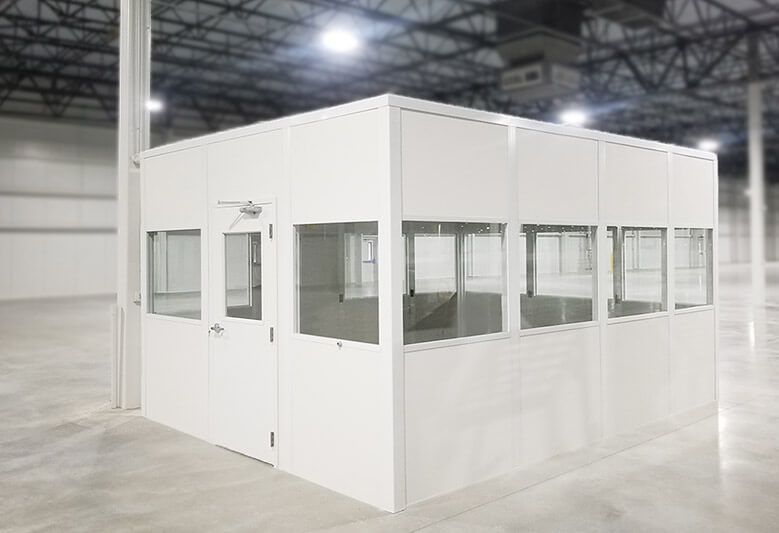
Modular offices have become the industry standard for solving this problem. They offer a fast, clean, and flexible way to create administrative space within an existing facility. However, simply installing any four-walled structure in the middle of a production floor isn't a isn’t a cure-all for noise and workflow challenges. To truly create a productive sanctuary, you must learn how to optimize your layout for modular offices in noisy warehouses .
Location Is Your First Line of Defense
Before we even discuss sound-deadening materials, we need to talk about geography. The placement of your modular unit is the most cost-effective noise reduction tool available. Sound intensity follows the inverse square law; doubling the distance from the noise source significantly reduces the sound pressure level.
Leveraging Existing Barriers
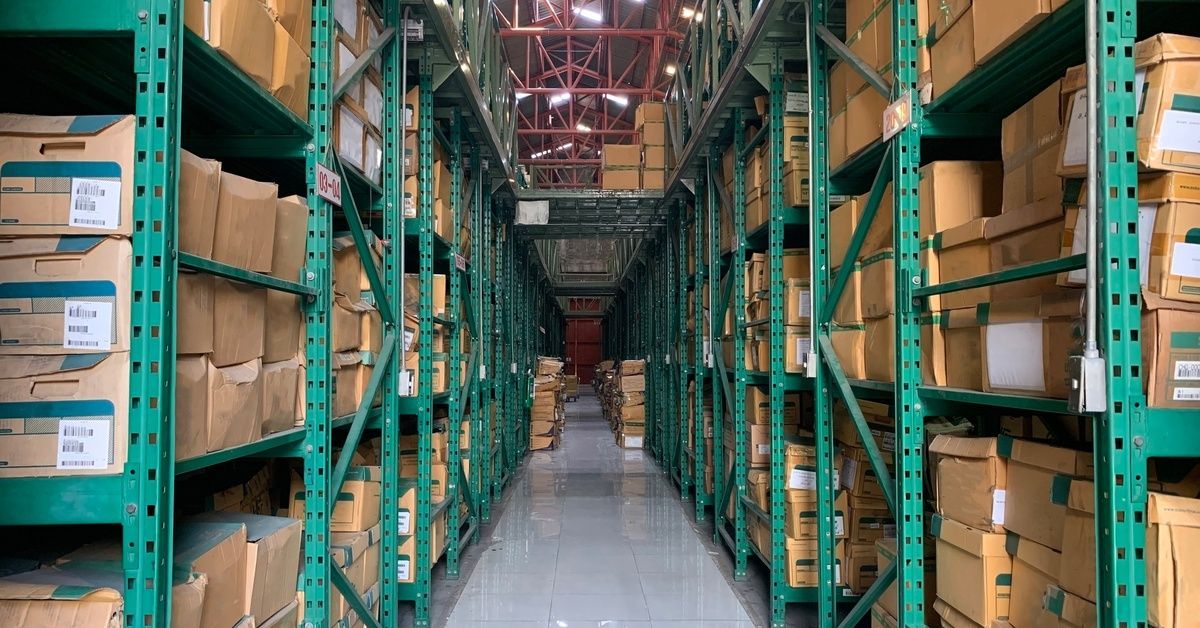
When planning your layout, look for existing "acoustic shadows." Racking systems filled with inventory are excellent sound absorbers. Placing a modular office behind a row of pallet racks, rather than directly adjacent to a CNC machine or a loading dock, can naturally lower the decibel levels hitting the office walls.
Vertical Space Utilization
Sometimes the best place to go is up. Installing a modular office on a mezzanine level serves two purposes. First, it creates a vertical buffer from the immediate noise of ground-level machinery. Second, it provides supervisors with a bird’s-eye view of operations. This elevated perspective enables visual management without the need to be physically next to loud equipment.
Traffic Flow Considerations
Analyze the traffic patterns of your forklifts and foot traffic. You want your office to be accessible, but you do not want the door opening directly into a high-traffic lane. Every time the door opens, sound rushes in.
Positioning the entry point away from the primary noise sources—or creating a vestibule entry (an airlock-style double-door system)—can drastically reduce noise intrusion during shift changes or breaks.

Structural Layout and Materials
Once you have selected the optimal location, the physical configuration of the modular office takes center stage. Standard office partitions don’t work well in industrial environments. You need components engineered for sound attenuation.
Understanding STC Ratings
In our industry, we talk a lot about Sound Transmission Class (STC). This is a rating of how well a building partition attenuates airborne sound. A standard hollow drywall partition might have an STC of 33, where loud speech can still be understood through the wall.
For a noisy warehouse, you should aim for modular wall systems with higher STC ratings, typically starting at 40 or higher. This involves utilizing layered wall panels filled with high-density insulation. When designing the layout, place the walls with the highest STC ratings facing the loudest noise sources. If one side of the office faces a quiet storage area, you might be able to use standard panels there to keep the budget balanced.
The Weakest Links: Windows and Doors
A wall is only as good as its weakest point. In many cases, that is the glass. Visibility is crucial in a warehouse office—managers need to see the floor to ensure safety and efficiency. However, single-pane glass is a poor sound insulator.
To optimize the layout for both sight and sound:
- Use dual-glazed windows: Specify double-pane windows with an air gap. This significantly improves sound dampening without sacrificing visibility.
- Strategic window placement: If a specific machine creates a high-frequency whine, try to avoid placing windows on the wall directly facing it.
- Solid core doors: Ensure doors are solid core and equipped with perimeter seals and sweep seals. A gap at the bottom of a door is like a hole in a bucket—noise will leak right through.
Interior Layout and HVAC
The layout inside the modular office is just as critical as the exterior placement. Even with excellent soundproofing, some low-frequency vibration or background hum will penetrate. How you arrange the interior can help mitigate this.
Zoning for Focus
Place desks and workstations that require high concentration (like data entry or phone sales) as far away from the "loud wall" as possible. Use the space closest to the warehouse floor for file storage, break areas, or transient tasks where background noise is less disruptive.
The Roof Deck System
In a standard office building, the ceiling consists of just acoustic tiles suspended below the structural deck. In a warehouse modular office, the roof is a critical structural component. Because warehouse ceilings usually sit 20 to 30 feet high, the modular office needs its own dust-tight, sound-insulating roof deck.
We recommend a corrugated steel dust cover combined with a high-quality drop ceiling grid and acoustic tiles. This dual-layer approach stops noise from entering over the top of the walls—a common oversight in amateur installations.

Ventilation Management
One irony of soundproofing is that once you seal a room tight against noise, you also seal it against airflow. You need a dedicated HVAC system. However, putting a loud packaged HVAC unit directly on the roof of the modular office can vibrate the structure and defeat the purpose of soundproofing.
Optimizing the layout involves considering where the ductwork runs. Ideally, HVAC units should be independently supported or mounted on vibration isolators to ensure the AC's hum doesn't just replace the warehouse's roar.
The Modular Advantage: Adaptability
Perhaps the greatest benefit of choosing a modular system is the ability to correct mistakes and adapt to change. Warehouses are dynamic environments. Production lines move, your team installs new machinery, and shipping lanes shift.
If you build a traditional "stick-built" office, you are stuck with it. With modular components, you can alter the layout. If a new stamping press is installed right next to your office, you can move walls or upgrade with higher-performance panels.
These handling and storage solutions protect your investment. You aren't just buying a room; you are purchasing a reconfigurable asset that grows with your business.
Building a Sound Strategy
Creating a modular workspace in a loud warehouse requires a blend of strategic placement, high-quality materials, and smart design choices. It is about managing the path of sound from the source to the receiver.
Your team deserves a workspace where they can think clearly and communicate effectively without shouting. A well-planned modular office provides exactly that—safety, comfort, and productivity, right in the heart of the action.
If you are looking to reclaim some quiet in your facility, taking the time to plan the layout properly will pay dividends for years to come. Tyler Supply Company offers handling and storage systems that are ideal in a modular workspace. We provide a range of durable equipment that will help you maintain a safe working environment.