Are You Complying With OSHA Pallet Rack Safety Standards?
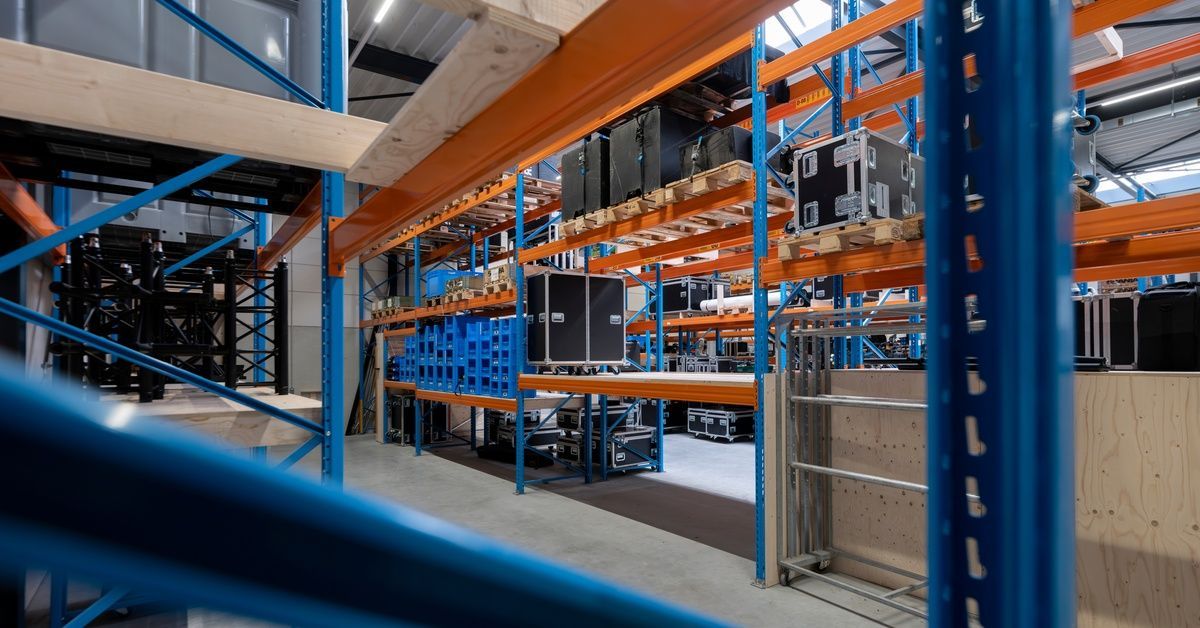
Pallet racking is the backbone of most warehouses, distribution centers, and storage facilities. While it’s essential for maximizing space and organizing inventory, it can also pose significant safety risks if not properly installed, maintained, and used.
The Occupational Safety and Health Administration (OSHA) has established specific standards to protect workers from these hazards. Ensuring your facility complies with these regulations is not just a legal requirement; it's a critical step in creating a safe work environment.
We’ll walk you through the key aspects of OSHA pallet rack safety standards to ensure you’re complying with each part. We'll cover what OSHA requires, common hazards to look out for, and practical steps you can take to ensure your racking systems are safe and compliant.
Understanding OSHA's Role in Warehouse Safety
OSHA doesn't have one single, comprehensive standard dedicated exclusively to pallet racking. Instead, several broader regulations cover the safety requirements for pallet racks. The most significant is OSHA 29 CFR 1910.176 - Materials Handling and Storage. This standard's primary objective is to ensure that workplaces are free from recognized hazards that could cause death or serious physical harm.
Several key clauses within this standard apply directly to pallet racking:
- Secure storage: This clause states that the different storage types, such as bags, containers, and bundles, should not create a hazard to workers. For pallet racking, this means racks must be stable, properly anchored, and capable of supporting their intended loads without risk of collapse.
- The General Duty Clause, Section 5(a)(1): This is one of the most important aspects of OSHA's authority. When a specific standard doesn't exist, OSHA uses the General Duty Clause to cite employers for unsafe conditions. Damaged, overloaded, or improperly installed pallet racks are considered a "recognized hazard."
Key Elements of Pallet Rack Safety
To maintain compliance and ensure a safe environment, you need to focus on several critical areas of pallet rack management. These practices align with OSHA's expectations and industry best practices.
Proper Installation and Assembly
The foundation of a safe racking system is its installation. Your business must install racks to the manufacturer’s specifications.
- Follow manufacturer instructions: Always adhere to the assembly instructions provided by the rack manufacturer. This includes using the correct hardware and following the specified assembly sequence.
- Plumb and level: Racks must be plumb (perfectly vertical) and level (perfectly horizontal). An out-of-plumb rack is structurally compromised and has a significantly reduced load capacity, making it a major collapse risk.
- Secure anchoring: Racks must be securely anchored to the floor. The number, size, and type of anchors should match the manufacturer's engineering specifications. A properly anchored rack is far more resistant to impact from forklifts and seismic activity.
Load Capacity and Signage
One of the most frequent causes of rack failure is overloading. Every pallet rack system is meant to hold a specific maximum weight.
- Display load ratings: OSHA requires that the maximum load capacity for each rack bay be clearly and visibly posted. This signage should show the maximum permissible weight per pallet and per bay. This helps operators avoid accidentally overloading the system.
- Calculate, don't guess: The load capacity is not just a suggestion. It's a structural limit determined by engineers. Never exceed the posted weight limits. Remember to account for the pallet's weight in your total load calculation.
- Uniformly distributed loads: Most capacity ratings assume that you evenly distribute the loads. Concentrating a heavy load on a single small point can cause stress that the rack can’t withstand.
Regular Inspections and Maintenance
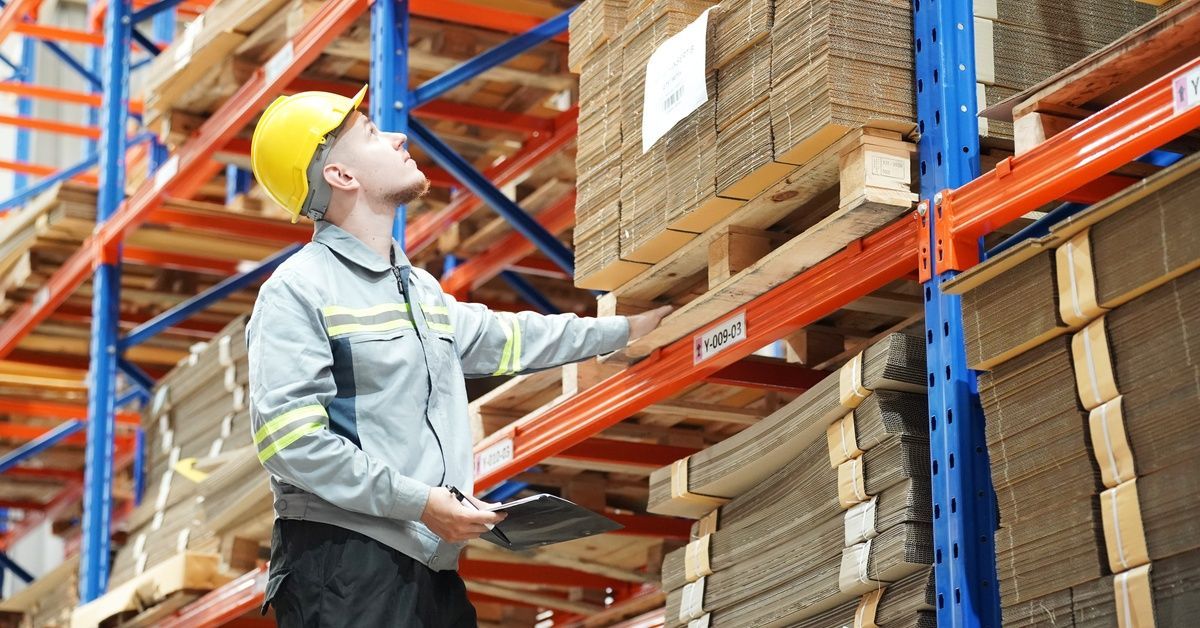
Pallet racks must withstand daily wear and tear, especially from forklift traffic. Regular inspections are essential for catching damage before it leads to a catastrophic failure.
- Establish an inspection schedule: Implement a routine inspection program. This should include frequent informal inspections by warehouse staff and monthly or quarterly, documented inspections by a trained individual.
- Look for common damage: Train your team to identify key types of damage, including:
- Bent or dented uprights and beams
- Damaged or missing safety clips
- Cracked welds
- Missing or loose anchors
- Twisted or buckled braces
- Isolate and repair: If damage is found, the affected rack section should be immediately unloaded and clearly marked as out of service. Do not attempt to use a damaged rack. You should make repairs using parts approved by the original manufacturer. Unapproved repairs or field welding can void the rack's capacity rating and create new hazards.
Aisle and Flue Space Requirements
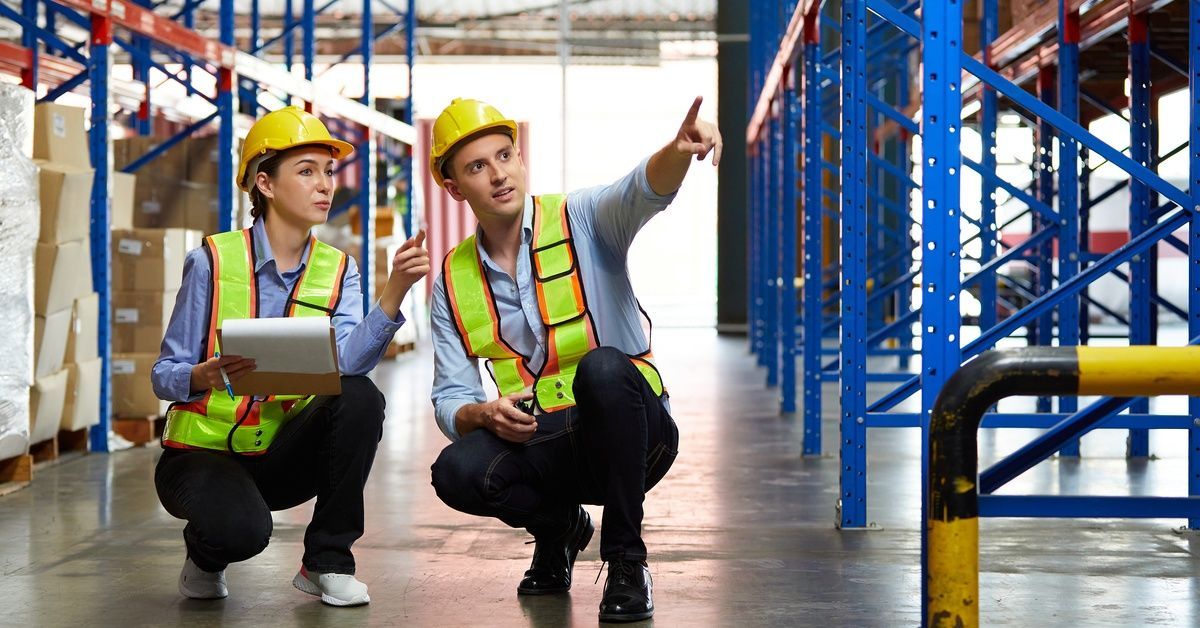
Clear and unobstructed aisles are crucial for both operational efficiency and safety.
- Maintain clear aisles: OSHA requires that any facility maintain sufficient safe clearances in aisles, at loading docks, and wherever workers will make turns. Aisles should be kept free of pallets, debris, and other obstructions that could cause trips or impede forklift movement.
- Protect racks from impact: Consider installing column protectors or end-of-aisle guards. These steel barriers provide an extra layer of defense against forklift collisions, which are a leading cause of rack damage.
- Flue space: The National Fire Protection Association (NFPA) requires proper flue space (the gap between pallets) to allow fire suppression systems like sprinklers to function effectively. Ensure there is adequate space between back-to-back rows and between pallets and uprights.
Training Your Team for a Safer Warehouse
Your employees are your first line of defense against pallet rack accidents. Comprehensive training is a non-negotiable part of a successful safety program.
- Forklift operator training: According to OSHA, forklift operators have to have their certification. This training must include instruction on the specific hazards associated with operating around pallet racking, such as navigating tight aisles and safely placing and retrieving loads.
- Damage reporting: You should train all warehouse personnel to recognize and report rack damage immediately. Create a simple, clear process for reporting issues so you can fix problems quickly.
- Safe loading and unloading: Teach employees the correct procedures for loading and unloading pallets to avoid damaging the racks and ensure load stability.
Moving Forward With Confidence
Complying with OSHA standards for pallet rack safety is an ongoing responsibility that requires diligence, training, and a proactive mindset. A well-maintained pallet rack system not only protects your employees but also safeguards your inventory and ensures the long-term stability of your operations.
If you are unsure about the condition of your racking or need expert guidance on compliance, don't hesitate to seek a professional assessment. A qualified rack safety expert can provide a thorough inspection, identify potential risks, and help you develop a robust safety program tailored to your facility's needs.
Tyler Supply Company is proud to provide a variety of industrial pallet racks for your business, and we have everything you need for your storage and material handling. Our durable equipment can meet your needs and help keep your business well within OSHA standards. Contact us today to learn more about our equipment options.