Drive-In Racks: How They Are Ideal for Bulk Pallet Storage

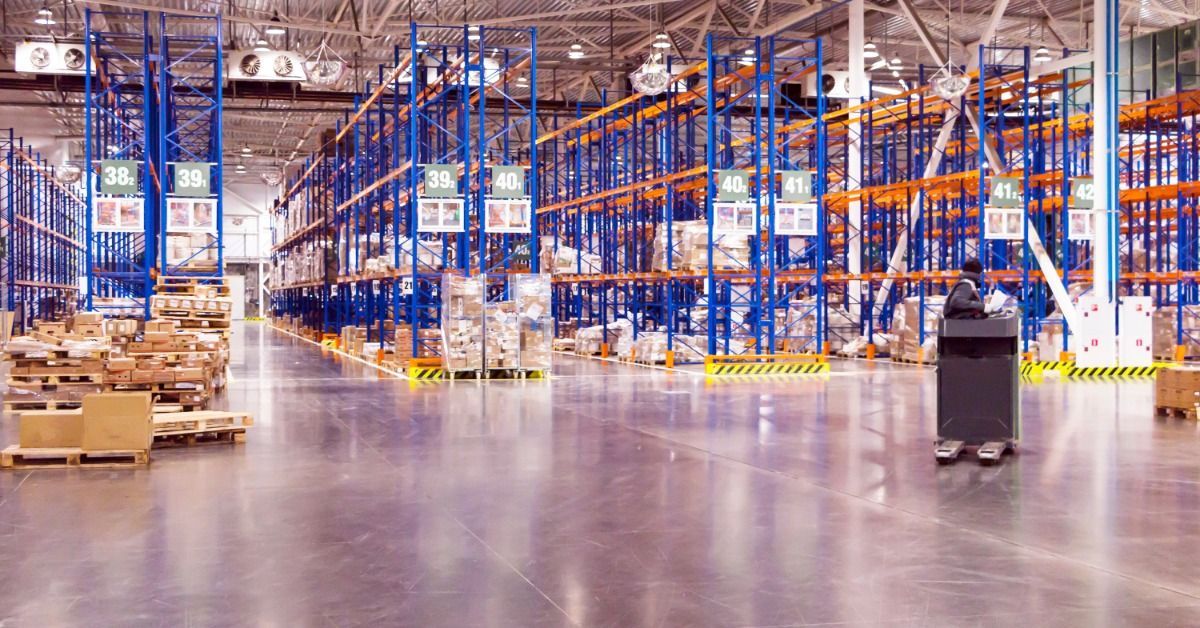
Efficient bulk pallet storage demands systems that maximize space while maintaining organized inventory flow. Drive-in racks provide a high-density storage solution for large quantities of similar products. Facilities that manage a consistent set of SKUs often rely on these systems to reduce aisle space waste. Businesses that prioritize capacity and cost efficiency continue to adopt drive-in racking for long-term performance.
Understanding why drive-in racks are ideal for bulk pallet storage helps decision-makers determine if this system aligns with their operational goals. These racks create deep storage lanes that allow forklifts to enter the structure directly. Facilities can store more pallets within the same footprint with this layout.
What Are Drive-In Racks?
Drive-in racks consist of structural frames and horizontal rails that support pallets in a deep lane configuration. Forklifts drive directly into the rack system to place and retrieve loads. This setup supports a last-in, first-out (LIFO) inventory method. Operations that handle large volumes of similar products benefit the most from this approach.
The system reduces the need for multiple access aisles by consolidating storage into fewer entry points. This layout increases cubic storage utilization across the warehouse. Facilities can store significantly more pallets compared to selective racking systems. This design supports high-density storage without expanding the building footprint.
Why Drive-In Racks Maximize Storage Density
Drive-in racks eliminate unnecessary aisle space and replace it with usable storage lanes. Traditional racking systems require wide aisles for access, which limits capacity. Drive-in configurations reduce aisle requirements and allow deeper pallet storage. This approach dramatically increases storage density in bulk operations.
Warehouses that handle uniform products see the greatest efficiency gains. The ability to stack pallets multiple positions deep allows facilities to consolidate inventory. Businesses reduce the need for additional storage space or off-site warehousing.
Ideal Applications for Bulk Pallet Storage
Drive-in racks perform best in environments that manage large quantities of similar products. Facilities that require fast turnover of bulk inventory benefit from this system. Industries such as food distribution, manufacturing, and cold storage frequently use drive-in racks. These operations rely on consistent product flow and efficient storage.
Cold storage environments especially benefit due to high construction and operating costs. Maximizing storage density reduces the amount of refrigerated space required. This efficiency leads to significant energy savings over time. Businesses gain both operational and financial advantages from this setup.
Key Benefits of Drive-In Racking Systems
Drive-in racks offer multiple advantages for warehouses focused on bulk pallet storage. These systems improve space utilization while maintaining straightforward operations. Facilities that implement drive-in racking often see immediate improvements in storage capacity. The design also supports better inventory consolidation.
- Maximize warehouse storage density
- Reduce aisle space requirements
- Lower overall storage costs
- Support bulk inventory management
- Improve warehouse organization
- Optimize cold storage efficiency
These benefits make drive-in racks a practical solution for businesses that prioritize capacity and cost control. Companies can scale operations without expanding their physical space. This flexibility supports long-term growth and efficiency.
Operational Considerations for Drive-In Racks
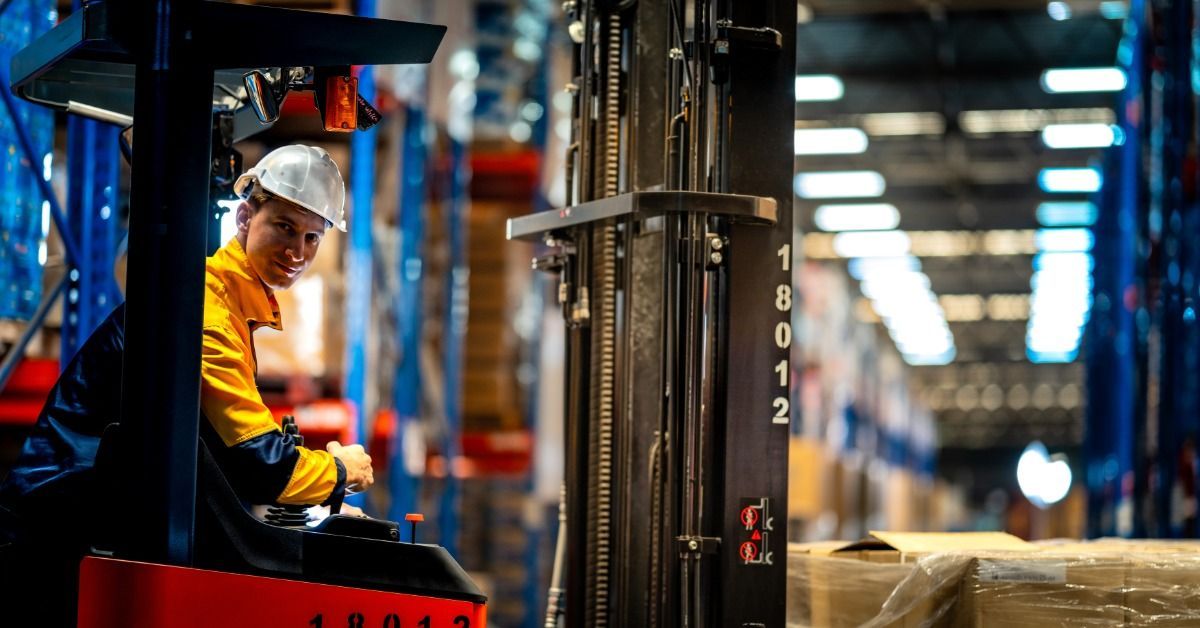
Drive-in racks require proper forklift operation to maintain safety and efficiency. Operators must navigate within the rack structure, which demands precision and training. Facilities must implement clear operational guidelines to prevent damage to racks or products. Regular training ensures consistent performance and reduced risk.
Inventory management also requires planning due to the LIFO system. Businesses must align product flow with this storage method. This system works best for non-perishable or uniform products with predictable turnover. Proper planning ensures smooth operations and minimal disruption.
Comparing Drive-In Racks to Other Systems
Drive-in racks differ significantly from selective and push-back racking systems. Selective racks provide direct access to every pallet but require more aisle space. Push-back systems allow multiple pallets per lane but still need aisle access for each level. Drive-in racks prioritize density over accessibility.
Facilities that require frequent access to individual pallets may not benefit from drive-in systems. However, operations focused on bulk storage gain significant advantages. Many warehouses integrate drive-in racks alongside other industrial pallet racks to balance accessibility and density. This hybrid approach supports diverse inventory needs.
Safety and Maintenance Best Practices
Maintaining drive-in racks ensures long-term performance and workplace safety. Regular inspections help identify structural damage or alignment issues. Facilities should schedule routine evaluations to maintain system integrity. Proper maintenance reduces the risk of costly repairs or downtime.
Operators must follow established safety protocols when using drive-in systems. Clear signage and designated traffic patterns improve navigation within the warehouse. Protective equipment, such as guide rails, can reduce accidental impact damage. These measures support a safer and more efficient environment.

Customization and Design Flexibility
Drive-in racks can be customized to meet specific warehouse requirements. Facilities can adjust lane depth, height, and configuration based on inventory needs. This flexibility allows businesses to optimize storage for their unique operations. Custom solutions ensure maximum efficiency and usability.
Working with experienced material handling providers ensures proper system design and installation. Tyler Supply Company delivers tailored solutions that align with operational goals. Their expertise supports efficient layout planning and long-term performance. Businesses gain confidence in their storage investment.
When Drive-In Racks Are the Right Choice
Drive-in racks work best when operations prioritize high-density storage over immediate accessibility. Facilities that manage large volumes of similar products benefit the most. This system supports efficient use of space and reduces operational costs. Businesses gain a competitive advantage through improved storage capacity.
Companies should evaluate their inventory flow, product type, and operational needs before choosing this system. Drive-in racks provide exceptional value when used in the right environment.
With proper planning and execution, these systems deliver long-term efficiency. Organizations can scale operations while maintaining control over storage costs.
Partnering With Experts for Optimal Results
Drive-in racks are an ideal option for bulk pallet storage, but will they work well in your operation? To find the best operational layout, you need storage experts to guide you through the process.
Businesses that invest in professional guidance achieve better results and avoid costly mistakes. Proper system selection and implementation improve efficiency across the entire operation. With Tyler Supply Company, warehouses can maximize storage potential and streamline workflows. Drive-in racks become a powerful tool for bulk pallet storage success.
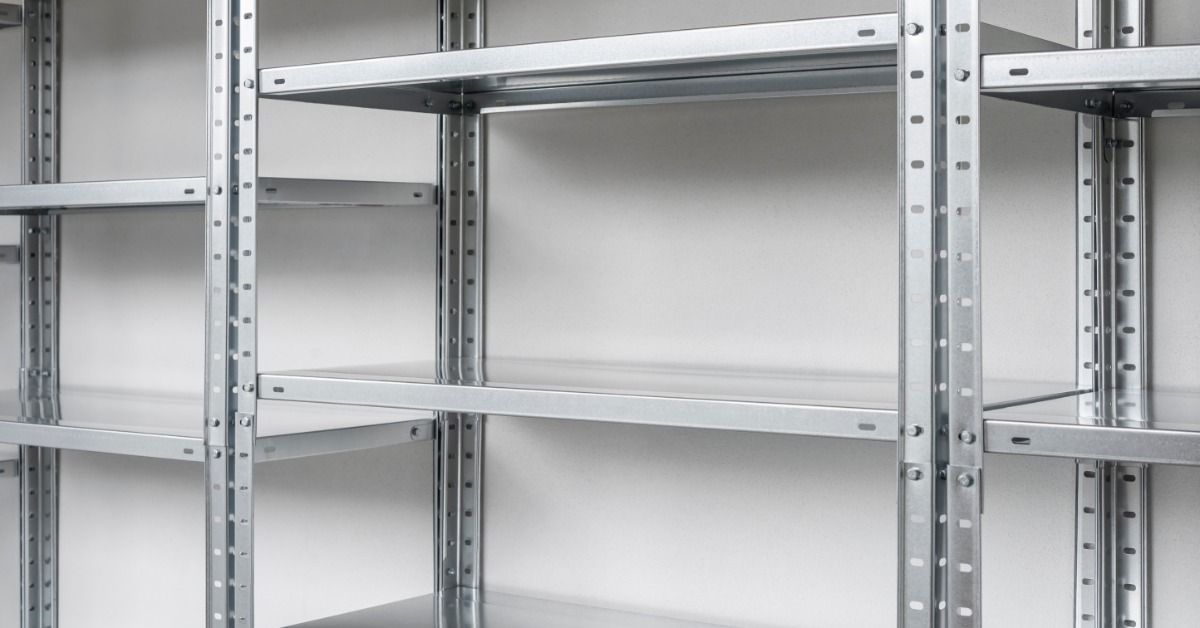
As a leader in material handling systems, Tyler Supply Company has a variety of storage solutions for your business. From industrial steel shelving to pallet racks, we can help you create a storage system that works well for your facility and keeps everything running smoothly. Contact us for more information on our pallet rack shelving.