Spotting Early Warning Signs in Pallet Rack Damage

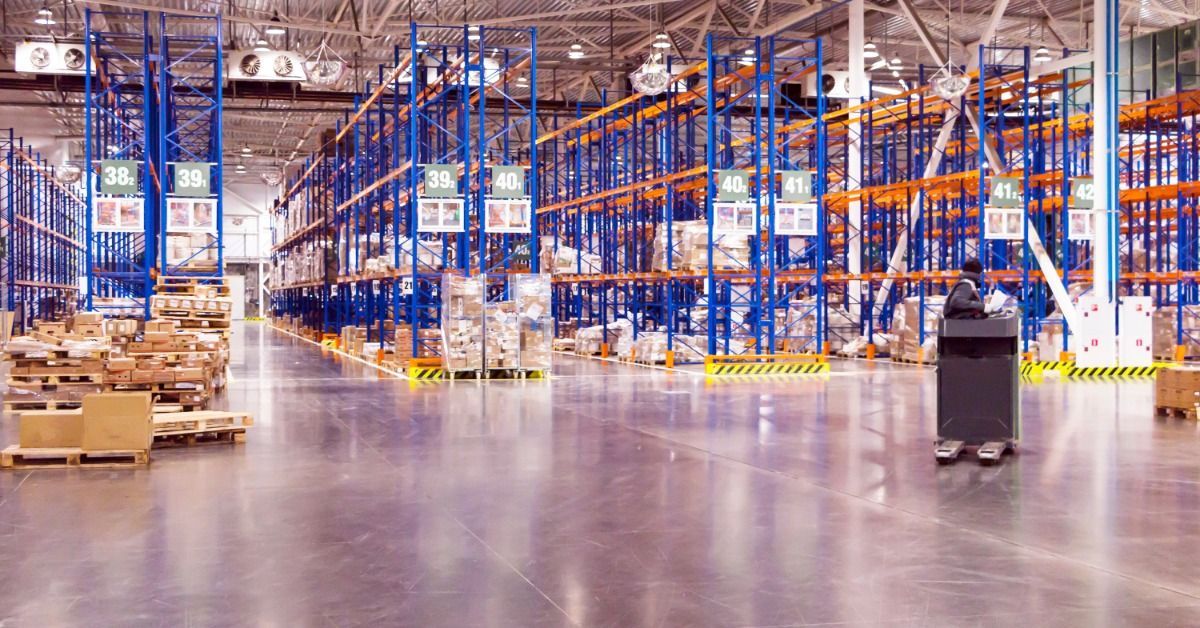
A busy warehouse is a productive one, but constant activity also carries the risk of equipment damage. Your pallet racking system is the backbone of your storage operations, and even minor damage can compromise its structural integrity, leading to catastrophic failures, costly downtime, and serious safety hazards.
Prevention is always better than a repair, so taking proper precautions and spotting early warning signs can help you avoid pallet rack damage. Follow along to learn about common types of pallet rack damage, how to identify them, and the steps to ensure the long-term safety and reliability of your system.
Understanding the Causes of Pallet Rack Damage
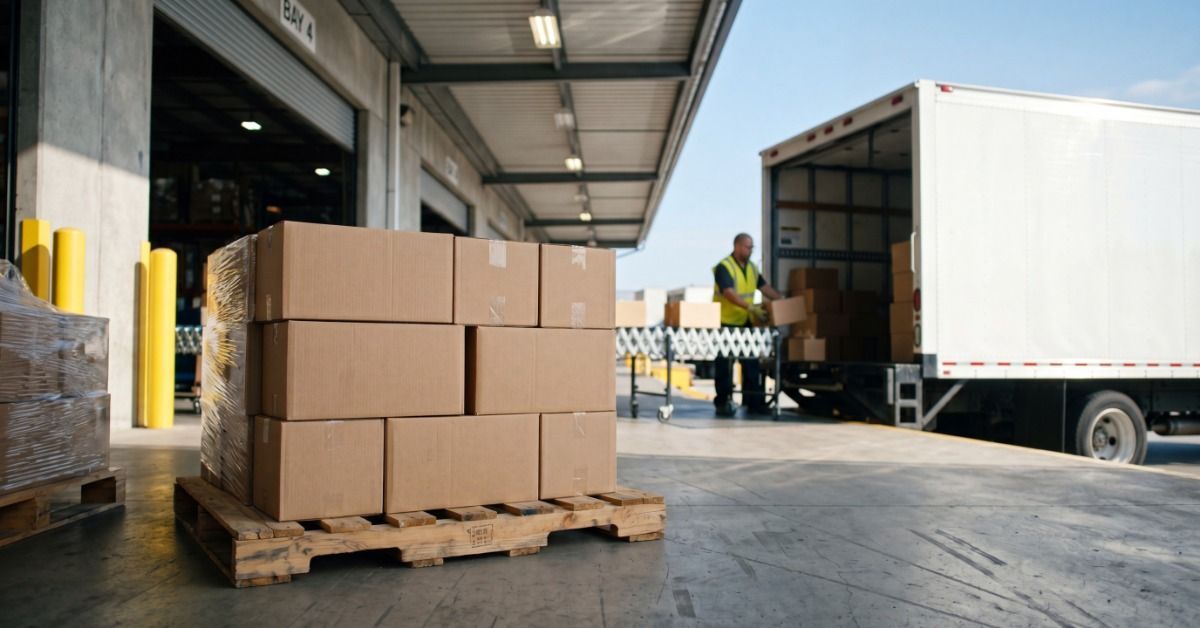
Before we look at the signs, it's important to understand the root causes. If you work in a warehouse, then you know that material handling equipment, such as forklifts and reach trucks, is responsible for the vast majority of pallet rack damage. A minor bump that seems insignificant can have a cumulative effect, weakening the steel and creating a hidden danger.
One of the common causes of pallet rack damage is overloading, which occurs when you exceed the rack’s designated load capacity, stressing components beyond their limits. Another possible cause is improper installation. If your team doesn’t properly install the racks, they aren't level or have loose connections, then they are unstable from the start and can cause serious problems.
Recognizing these sources helps in creating targeted training and operational procedures to minimize future risks.
Key Warning Signs of Pallet Rack Damage
Regular visual inspections are your first line of defense. Train your team to be vigilant and report any of these issues immediately, no matter how small they seem.
1. Bent or Dented Uprights
The vertical uprights are the primary load-bearing components of your racking system. Damage here is a serious concern.
- What To Look For: Pay close attention to the front and rear posts of the upright frames, especially in high-traffic aisles. Look for any visible dents, bends, or creases in the steel. The most vulnerable area is the first 12–24 inches from the floor, where forklift impacts are most common.
- Why It Matters: A bent upright has lost a significant portion of its strength. The column can no longer support its designed load capacity, increasing the risk of buckling and collapse.
2. Damaged or Deflected Beams
Horizontal load beams support the pallets directly. Any sign of damage or deflection is a red flag.
- What To Look For: Visually inspect beams for dents or twists. More importantly, check for any noticeable bowing or sagging in the middle of a loaded beam. A simple way to check is to stretch a string from one end of the beam to the other; any significant bowing of the beam in the middle indicates deflection.
- Why It Matters: Deflection is a clear sign that the beam is overloaded or has been damaged. A deflected beam can fail, causing the pallets it supports to fall. This can trigger a chain reaction, leading to a progressive collapse of the entire rack bay.
3. Twisted or Buckled Bracing
The horizontal and diagonal braces connect the front and rear uprights, providing stability and preventing the frame from twisting.
- What To Look For: Examine the bracing for any signs of bending, twisting, or shearing. Often, an impact on a front upright will transfer energy through the frame and damage the braces. Check that all bolts and connections are tight.
- Why It Matters: Damaged bracing compromises the rack’s structural stability. The frame loses rigidity and becomes more susceptible to swaying or collapsing, especially during loading or unloading.
4. Damaged Beam Connectors and Safety Pins
Beam connectors, or clips, are what lock the horizontal beams into the uprights. They are typically secured with a safety pin or bolt to prevent accidental dislodgement.
- What To Look For: Check that the connectors are fully seated in the upright slots. Look for any cracks, warping, or broken welds on the connector itself. Most importantly, ensure that every beam has its safety pin or bolt securely in place. Missing pins are a frequent and easily preventable issue.
- Why It Matters: A damaged connector or a missing safety pin creates a severe risk. An upward lift from a forklift while placing or removing a pallet can easily dislodge the beam, causing it to fall.
5. Corrosion and Rust
Rust isn't just a cosmetic issue; it's a sign of steel degradation that can severely weaken your racking system.
- What To Look For: Inspect for any signs of rust, especially at the base of uprights where moisture can collect, in refrigerated or damp environments, or on racks stored outdoors. Pay attention to any bubbling or flaking paint, as this is an early indicator of underlying corrosion.
- Why It Matters: Corrosion eats away at the steel, reducing its thickness and load-bearing capacity. A rusty component is significantly weaker and more prone to failure under load.
6. Unlevel or Off-Plumb Racks
Your team has to install racks perfectly level and plumb (vertically straight) to distribute weight correctly.
- What To Look For: Stand at the end of an aisle and look down the row of racks. Do they appear to lean to one side? Use a level to check individual uprights. Any rack that is leaning more than 1/2 inch for every 10 feet of height is considered off-plumb and needs immediate attention.
- Why It Matters: An off-plumb rack places uneven stress on the uprights, braces, and floor anchors. This significantly reduces its stability and safe load capacity, making it a collapse hazard.
Taking Action: A Three-Step Response Plan
Identifying damage is only half the battle. Having a clear, immediate response plan is essential to ensuring warehouse safety.
- Isolate and unload: As soon as you identify any damage, your team should cordon off the affected area with safety tape or cones to prevent further use. Carefully unload the pallets from the damaged section to remove the load stress.
- Report and document: The damage should be officially reported to the warehouse manager. Document the issue with photos, noting the location, type of damage, and date. This creates a record for repairs and helps identify recurring problem areas.
- Repair or replace: Never attempt to use a damaged rack. Contact a qualified rack repair specialist or the original manufacturer to assess the damage. They will determine whether a certified repair is possible or whether your facility must replace the component.
Empower Your Team for a Safer Warehouse
Your employees are your greatest asset in maintaining rack safety. They are on the floor every day and are the most likely to spot damage as it happens. Fostering a culture of safety empowers every employee to spot early signs of pallet rack damage and to continue working in a safe environment.
Implement regular training on rack safety, provide checklists for informal daily inspections, and establish a clear, no-blame reporting process. When your team understands the "why" behind rack safety, they become proactive partners in maintaining a secure and efficient operation.
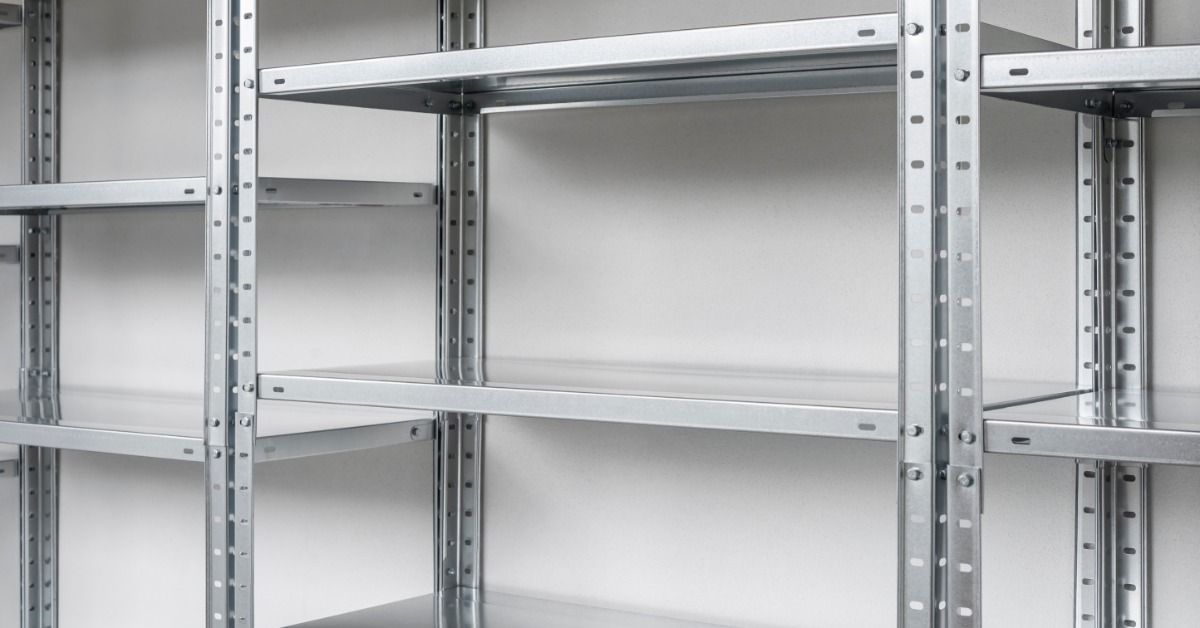
Tyler Supply Company boasts durable industrial steel shelving in Michigan to accommodate your storage needs. Our different sizes and configurations offer endless setups that work in any space, giving you flexible storage for your workspace.